Scorpio By Name + Nature
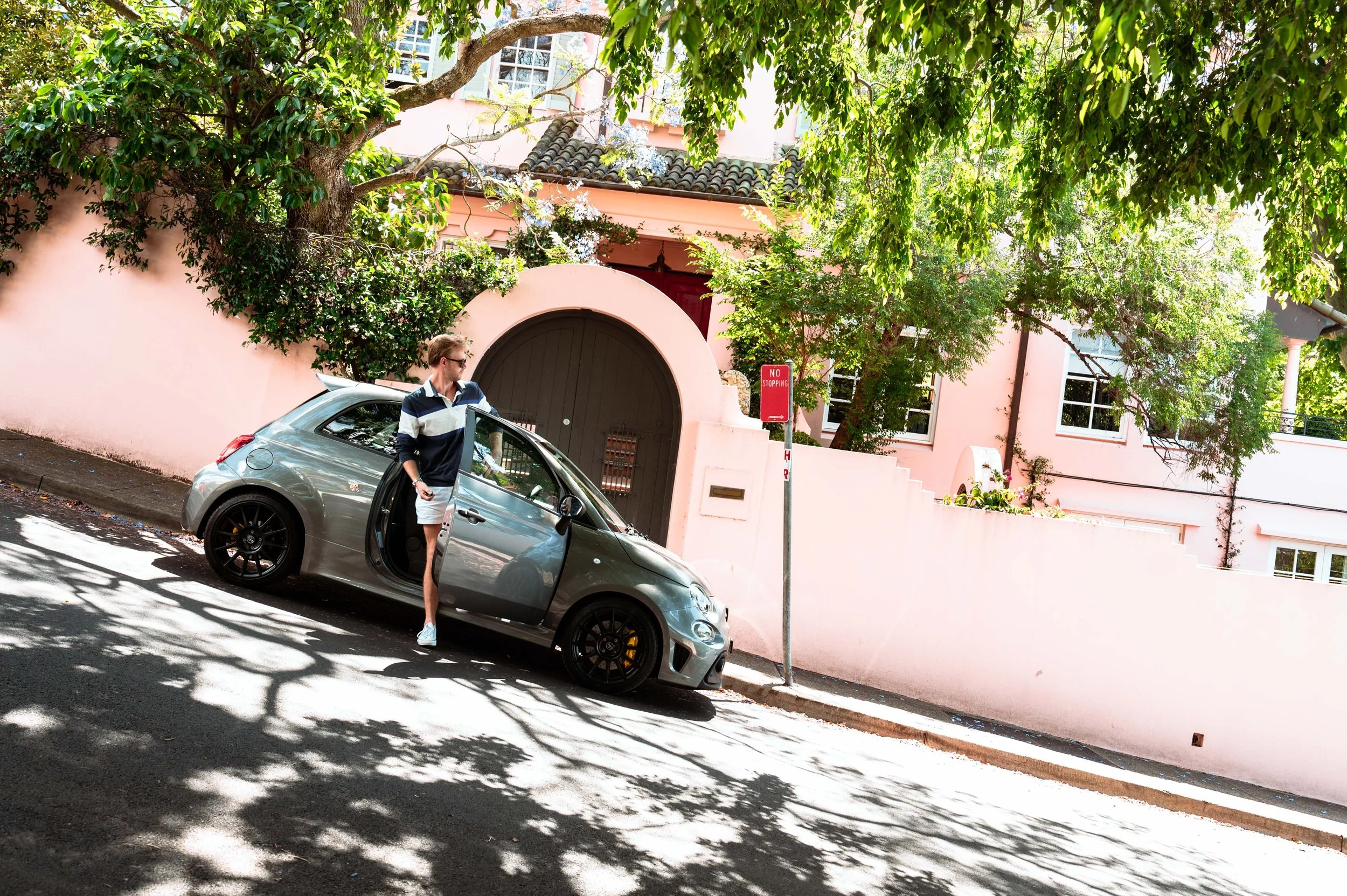
The Abarth 695 Competizione
Words: Jack Shepherdson
Photos: Georgia Griffiths
A curious subculture began bubbling away in the 1960s. With cars prohibitively expensive for young people craving mobility and self-expression, motorcycles became the only option for transportation and personal freedom. Fuelled by cheap and plentiful spare parts mixed with easy tuning, the roads were soon bombarded with the shrill screams of lightweight, nimble, rorty motorbikes racing down city boulevards. Their riders only had one destination in mind - local cafes, where they’d shoot the breeze about their little machines with their fellow riders, ideally being the first to arrive, before racing off to the next espresso bar. This was the world of the Cafe Racer.
The culture was birthed in England but quickly spread throughout Europe, truly taking hold in Italy. Today, Cafe Racers have become an entire genre of motorcycle, defined by low weight, high power and space for just one, usually laying aerodynamically prone over the bike. The culture may have birthed a new genre of bike, but the subculture's loud, fast and charismatic attitude has long left two wheels. Luckily, it’s alive and well on four. A little taste of that European hell-for-leather attitude of fast, loud, small and charismatic is found in the Fiat 500 Abarth.
Before we get further acquainted with this cute little scamp, let’s unwrap the Fiat 500, and understand how Abarth fits into this equation.
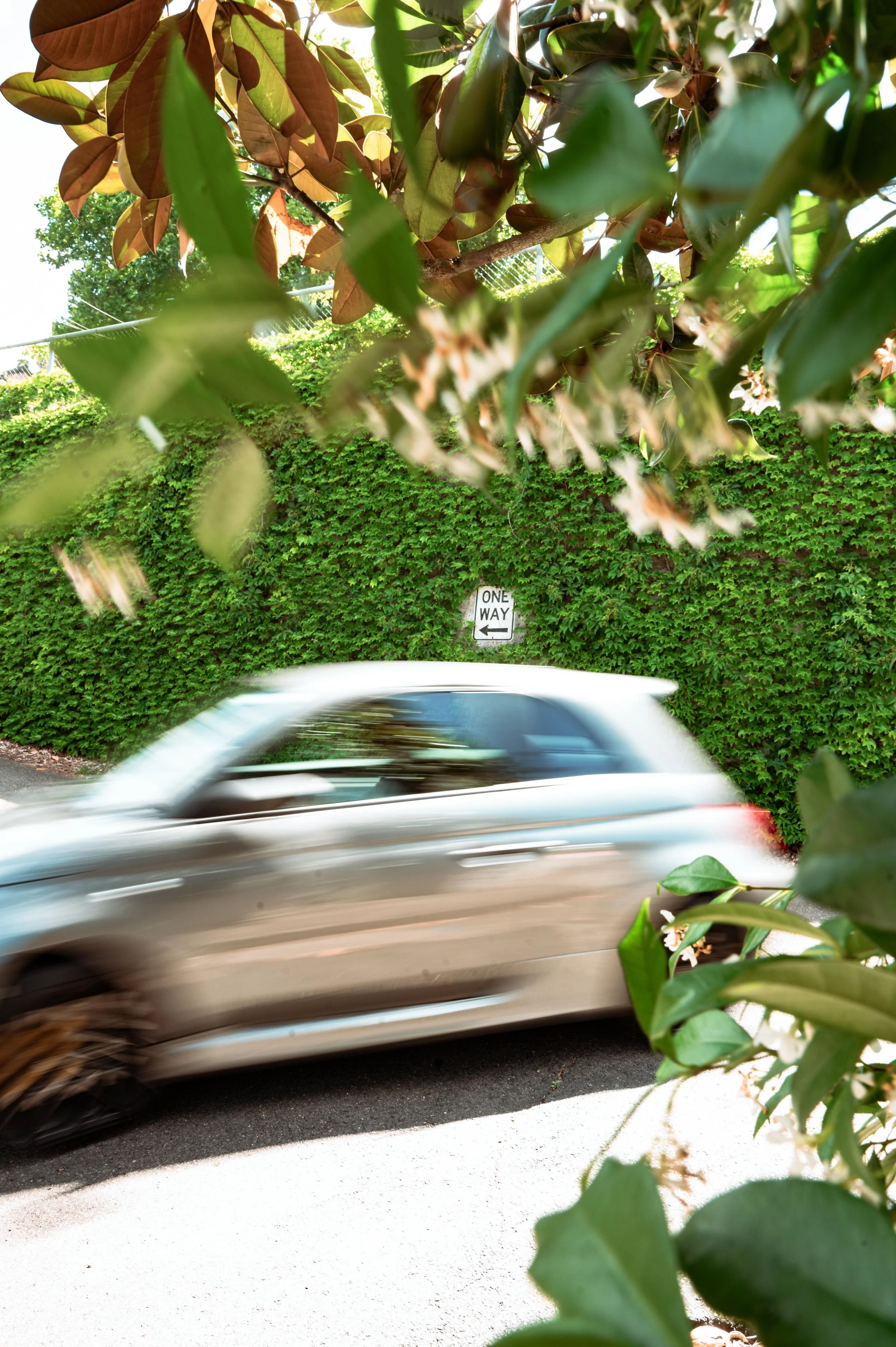
Abarth is an Italian tuning house started by Carlo Abarth in the late 40s as a venture modifying and racing sports prototype cars all across continental Europe, assembling a crack team of some of the best drivers of the time. They also produced bolt-on performance parts for Fiats, Alfa Romeos and Lancias. Based in Turin, just down the road from Fiat, Abarth wrangled an agreement with their Turin neighbour to begin modifying Fiats for racing, being paid only for every race win an Abarth racked up.
With that as motivation, Abarth began hotting up everything from the little Fiat 500 up to exquisite Zagato-bodied racing machines, as well as engineering their own original creations. The Abarth-tuned Fiat 500 quickly developed a cult following.
With wins under their belt and cash in their pockets earned from nimble Abarths embarrassing Ferraris and Porsches on the race track, Fiat saw the potential and acquired Abarth in the early 70s. The company was brought in-house to develop rally cars for their Fiat stablemate, Lancia, and publicly sold Abarths essentially dried up. The brand was locked up in Fiat ownership.
That was until the Fiat 500’s revival in 2007. Taking heavy design inspiration from the original 1950s Fiat 500, it quickly became one of the chicest, most popular and best small cars around. As a nod to the 50s and 60s Fiat 500s tuned and raced by Abarth, Fiat revived Abarth as their own internal tuning house, producing performance versions of base Fiats, including the 500.
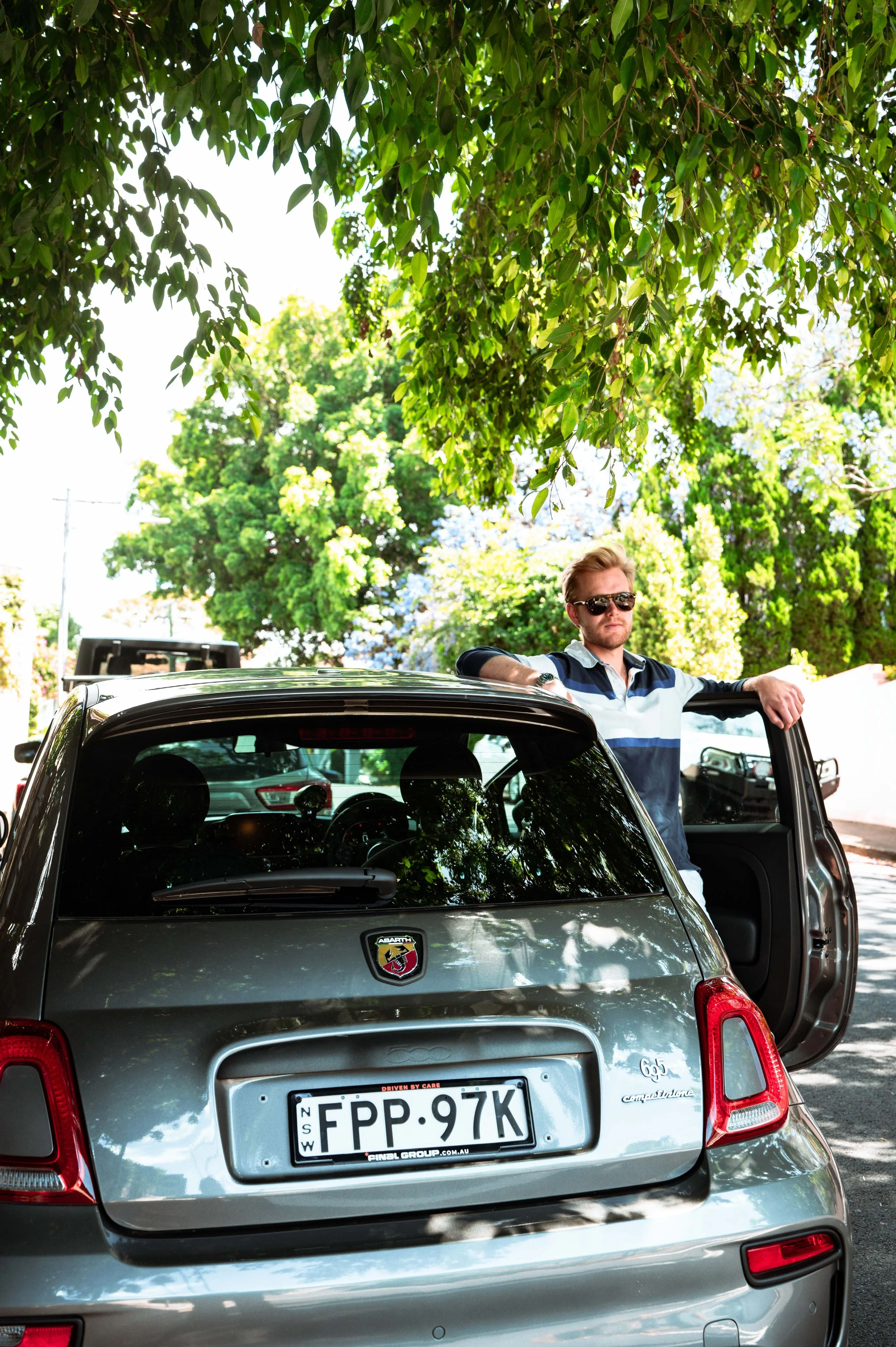
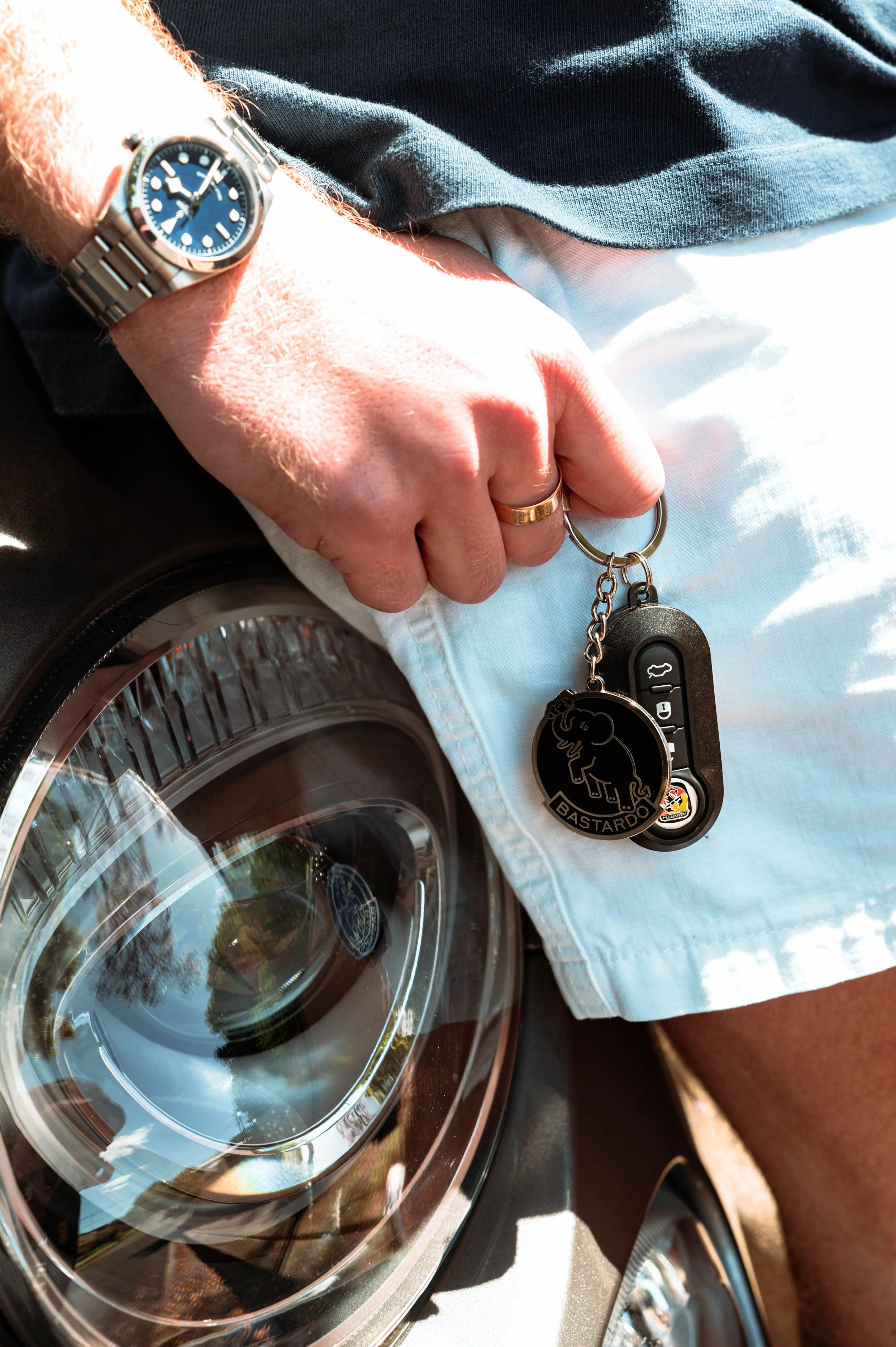
Unsurprisingly, the modern Fiat 500 Abarth has been a hit from the offset, with production of various guises and special editions, including a convertible, leading up to this final iteration - arguably the hottest of them all. The 695 Competizione is something of a swan-song, a last hurrah for internal combustion Abarths before the electric replacement completely takes over.
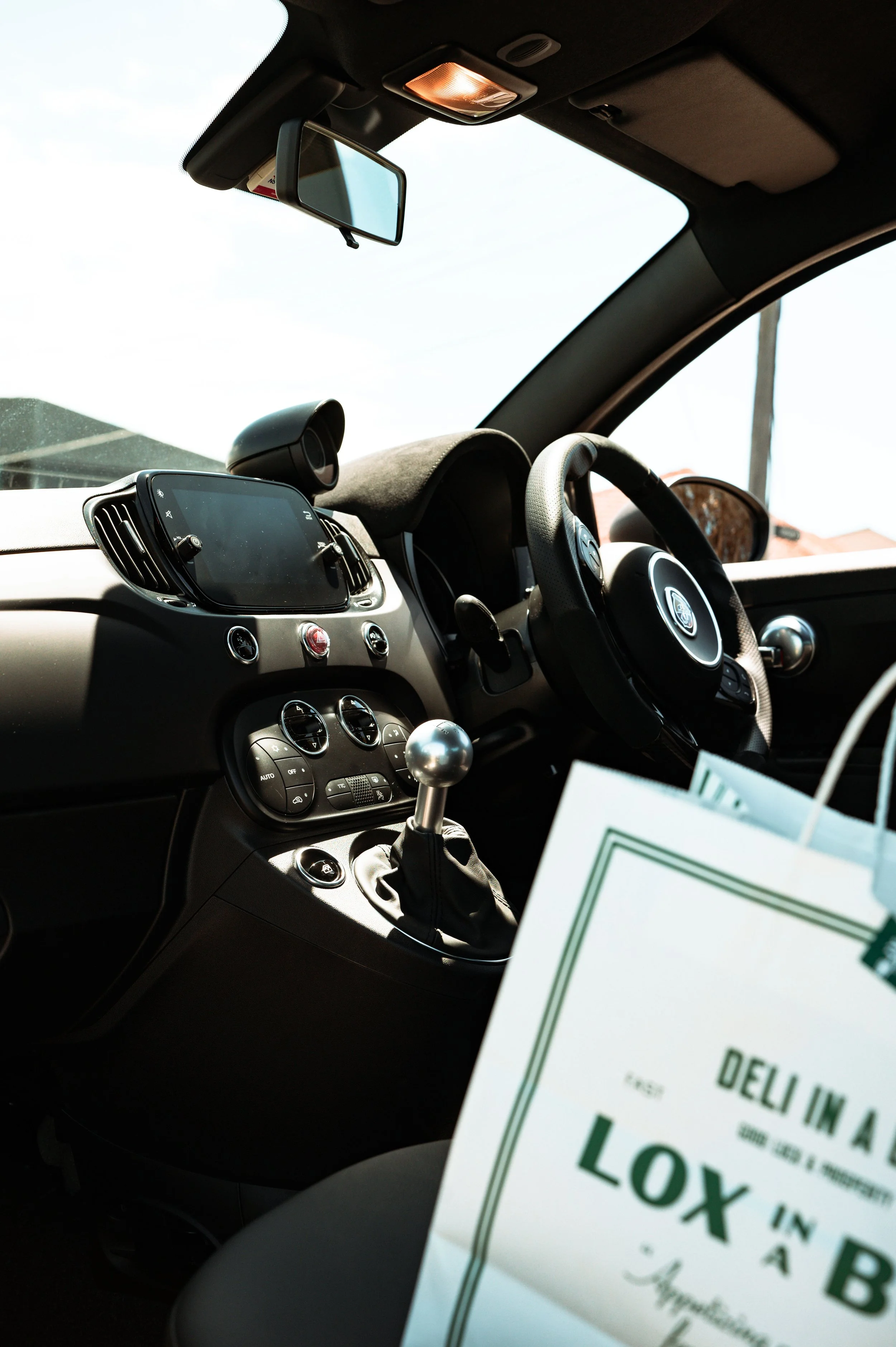
Abarth have taken the base 500’s engine and turbocharged it, stiffened up the suspension, improved stopping power and scattered the inside and out with some go-faster parts, including a smattering of Abarth’s scorpion logo inside and out. Yes, Carlo Abarth was a Scorpio. The result is a firmer ride and 180 horsepower, a silly amount in a car who’s weight only just tops a tonne. It bears a strikingly pumped-up difference to the Fiat it's based on. It's a cuddly teddy bear that’s smuggling hard drugs on the inside. One of those new clip-on Abarth parts is a little mushroom-shaped turbo gauge sprouting out of the dashboard telling you how much boost the turbocharger is spooling through the engine as you accelerate. You’ll have some fun pushing that turbo gauge to the limit and revelling in the boost of power it pumps out.
The sum of all these performance parts isn’t for serious track prowess - it’s just for fun. The Abarth is more like a jellybean-shaped muscle car than an exquisitely track-honed instrument.
The interior has also been given a boost, with quilted leather and slightly deeper bucket seats up front that are still more than comfortable enough. Opt for an interesting paint colour and Abarth will also colour-match the plastic dashboard panel spanning the length of the interior to the exterior colour.
On the road, the Abarth is intense when you push it, yet subtle and a great daily drive when you don’t. The combination of such high power relative to low weight, mixed with an old-fashioned, 80s style turbocharger that gives a noticeable power boost once spooled up, builds up to some silly fun. It’s front-wheel-drive, usually considered a downside in a sports car, but the super short wheelbase keeps the handling very responsive and playful. The downsides? The ride is hard, especially on the rear suspension. It’s the price of stiffer springs to reduce body roll in the corners, but nothing comes for free, and the price you pay is the odd uncomfortable bump over potholes and speed bumps.
It’s probably wise to leave the thorough examination of the driving dynamics here. If you’re after a pinpoint-accurate track weapon, there are far more capable hot hatches from Germany and Korea. The Abarth’s appeal is that of the Cafe Racer motorcycle - enough power to get in trouble, but the priority is that it oozes charisma.
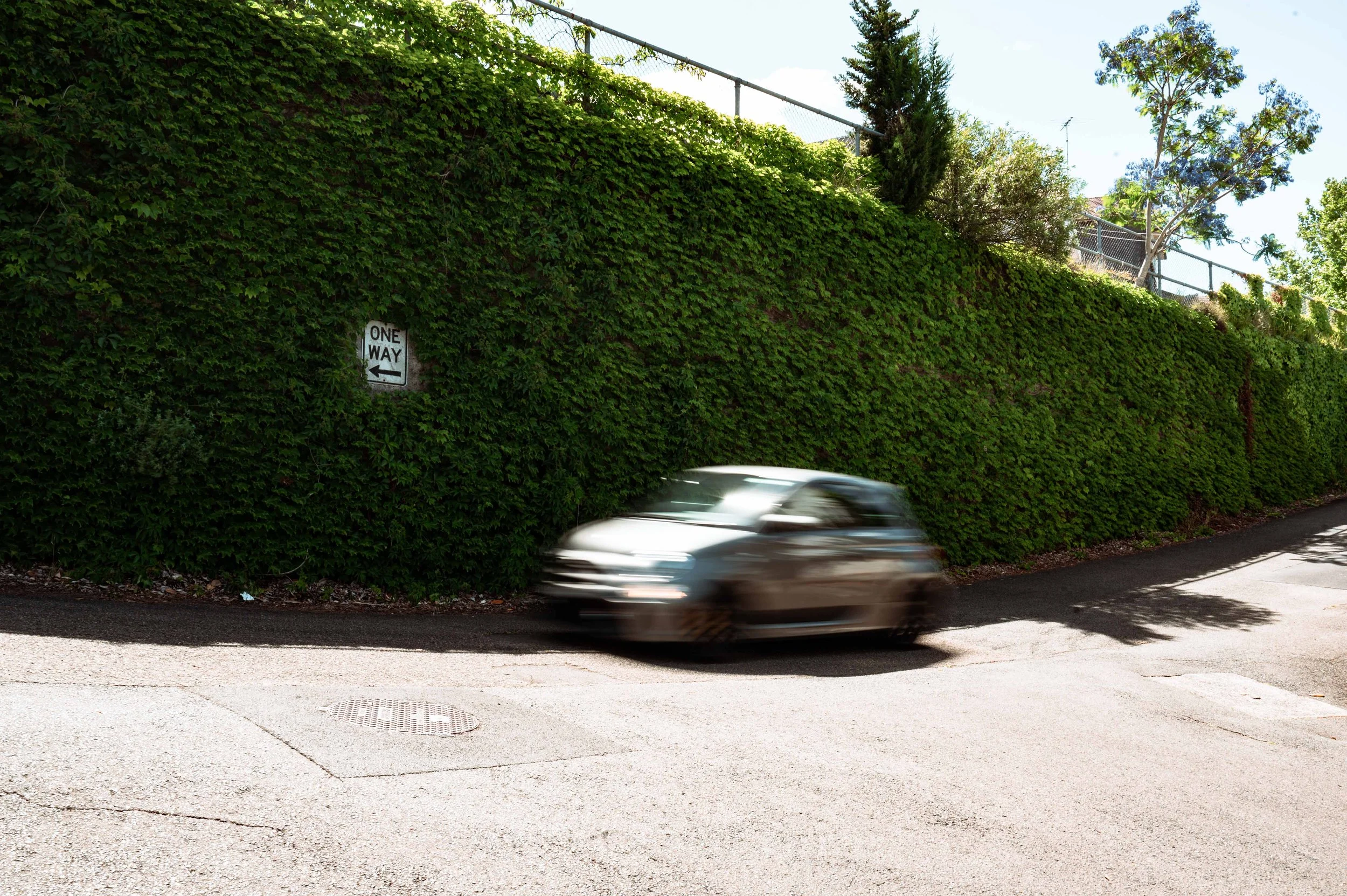
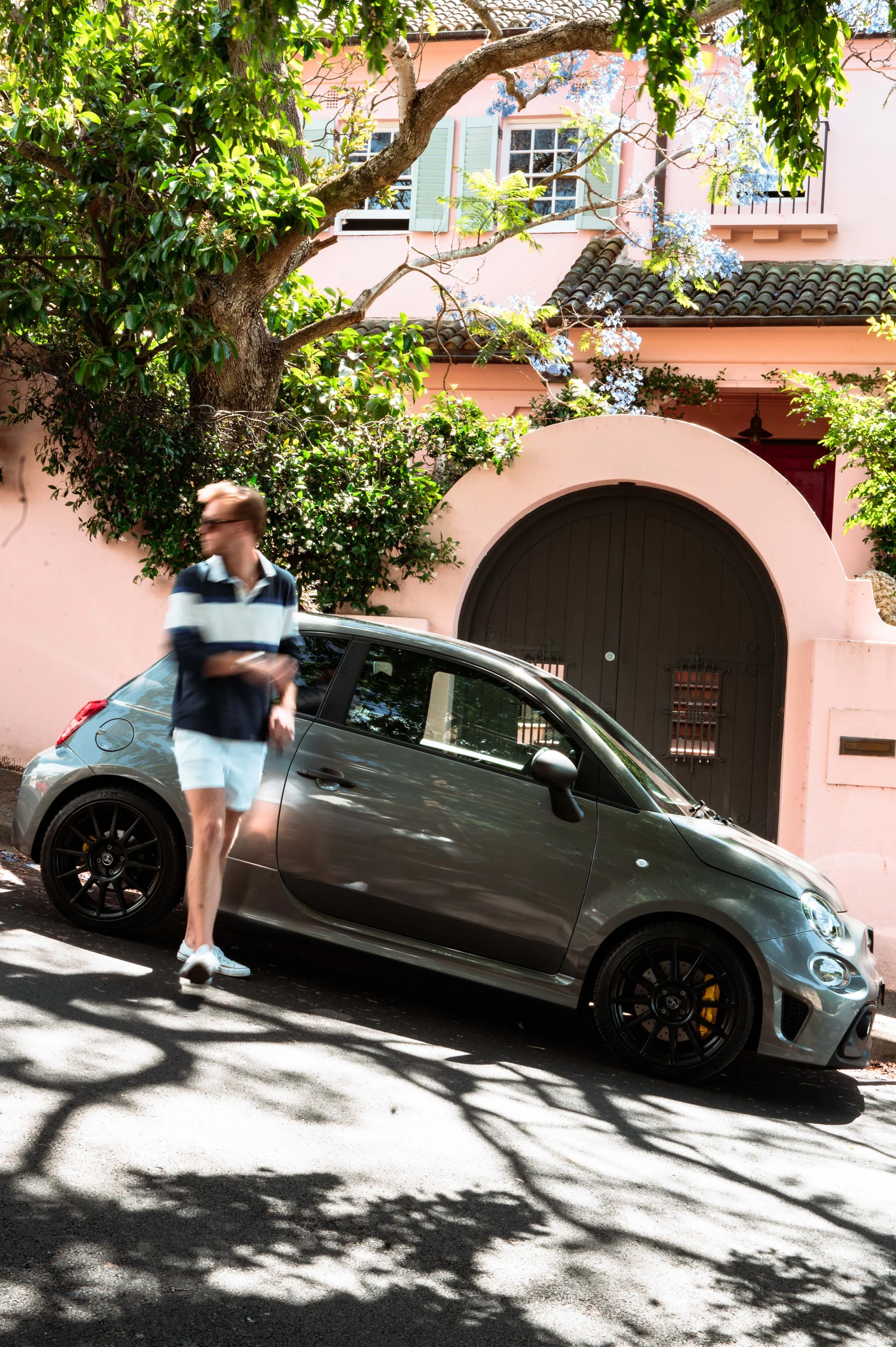
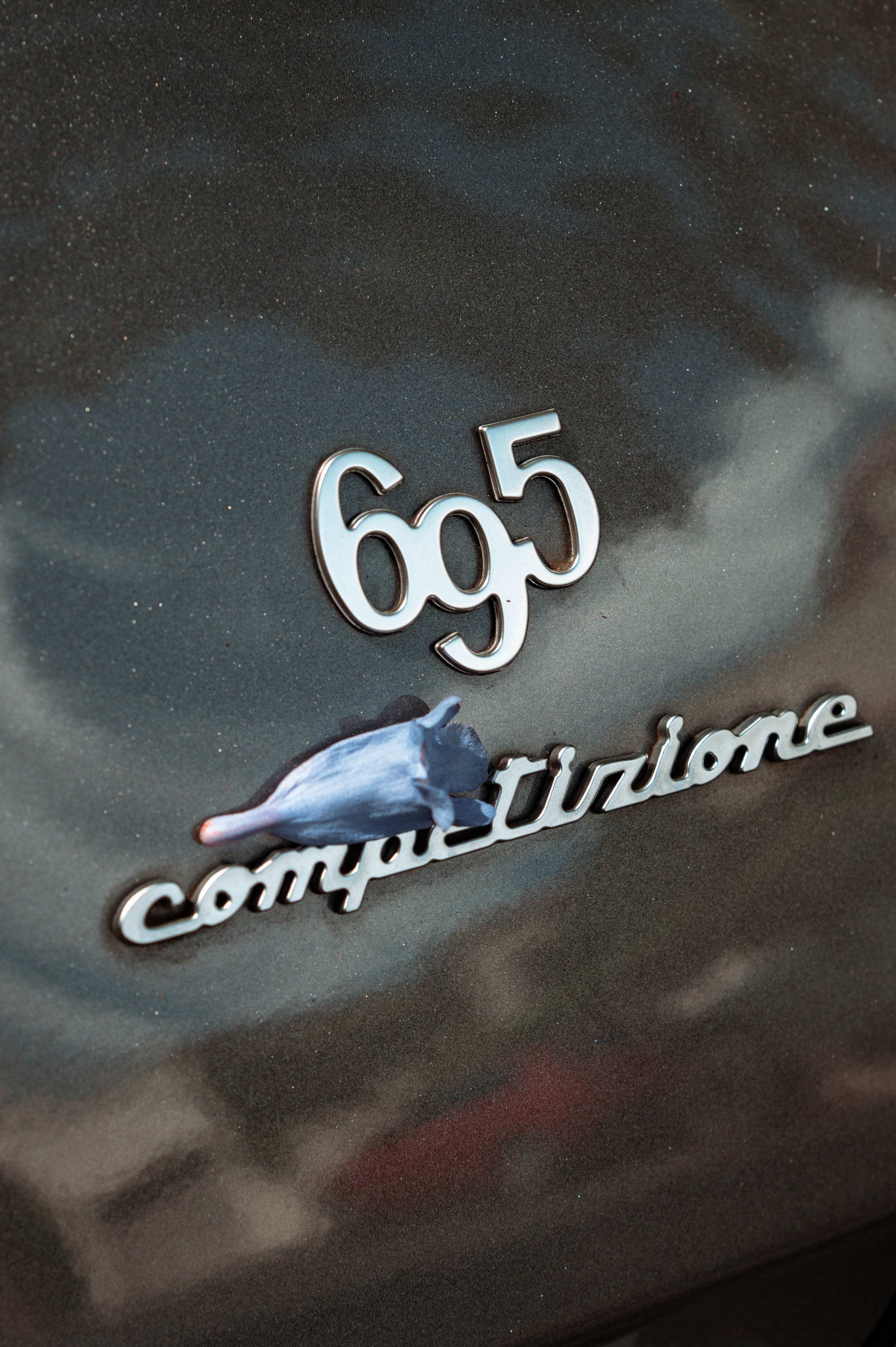
Its triple-espresso shot attitude is only enhanced by the exhaust sound. It may only be a 4-cylinder but it burbles away like an old carburetted Italian engine, and barks in the higher rev ranges. People respond with surprising amounts of love to the adorable Abarth. Usually, a crackling, barking hatchback is a nuisance, like a yappy chihuahua, when the noise is coming from an aggressively styled VW Golf or Hyundai i30N, but when it’s coming from a cute as a button Fiat, it comes across more endearing than annoying.
Since its rebirth in 2007 the Abarth 500 has been facelifted once or twice in an attempt to keep it fresh, but really this Abarth 695 Competizione is a near 20-year-old car you can still buy brand new today, albeit not for much longer. On paper that may sound like a negative - and I’m sure rules it out if you’re cross-shopping for tech features against rival hatchbacks - but being an older generation car has some big upsides.
It has none of the frustrations faced in new cars by those who actually value driving. It has no AIDAS driver’s eye-monitoring system constantly beeping at you for looking anywhere but dead ahead. It doesn’t have speed-limit warnings either. It does have rear parking sensors but no reversing camera - unnecessary in a car this short, where you can turn your head and nearly have your nose pressed against the big rear window. It has an optional manual transmission (definitely the pick of the litter) and an extremely outdated infotainment system (though it does have CarPlay). In short, old dog meets new tricks, but what it lacks against its rivals actually improves it for those who value a purer driving experience.
Italian cars tend to have a quirk where their faults actually make them more endearing, putting you through a rollercoaster of emotions. You have to meet them halfway rather than demand it meet you where you are. The Abarth isn’t a perfect, soulless robot. Many owners grow very fond of and attached to their Italian cars for this very reason - it’s what makes them feel more human.
The Abarth is also just a genuinely good, small, stylish, fast car - and it has some great competition. You could have a Hyundai i20N, or a Kia Picanto GT, or a Mini JCW, but none of those have the mad, silly, unserious Cafe Racer rage of the Abarth. The Abarth has the one character trait I value more than anything else - it's a laugh.
You may also like
-
![]()
Coveted Object: Arno Coffee Cups
“If you’re going to have an apple, make sure it’s the crunchiest, juiciest apple you can find.”
-
![]()
The Rolex Oyster Perpetual Pistachio could be the perfect everyday watch
This green doesn’t shout, it whispers.
-
![]()
A House Amongst The Trees: The Lobster Bay House
A beautiful reminder of the magic that great architecture has.
-
![]()
Coveted Object: Omega Constellation Manhattan
While all Omega Constellations are created equally, some are more equal than others.
-
![]()
Going Big, Bold and Bright with the Doxa Sub 300T Divingstar
Unapologetic in its purpose, the Doxa Sub 300T brings an authenticity rarely seen from other watches.
-
![]()
This Lotus Elise Is A Fully-Functional Mobile Coffee Shop
Cars and coffee collide in a new way at Café Elise.