An Oasis In The Heart Of The City
The Barbican Conservatory
Words: Jack Shepherdson
Photos: Georgia Griffiths
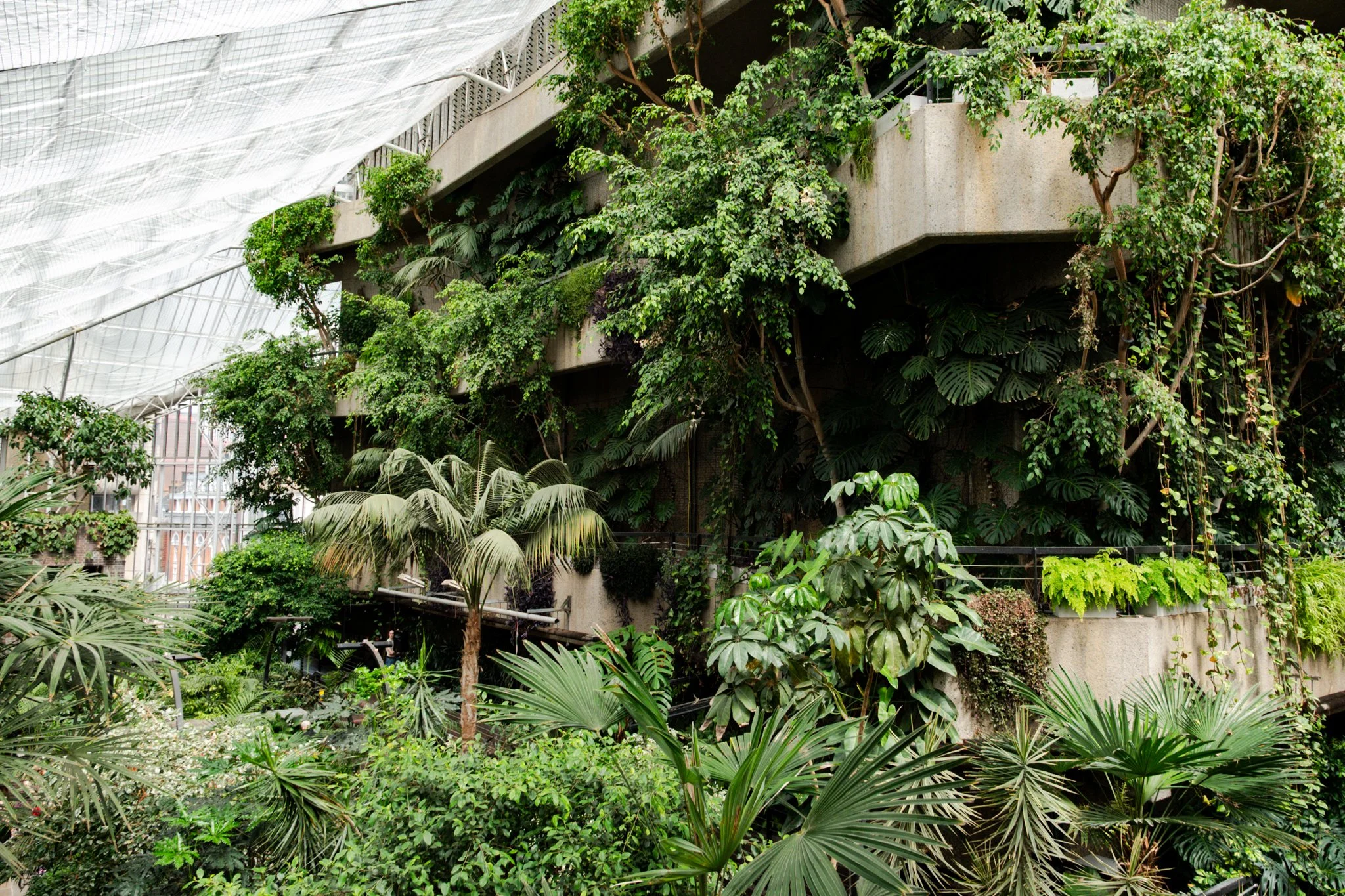
The Barbican Centre, smack-bang in the middle of London, must have looked like a UFO had landed when it opened in 1982. It’s arguably the most successful example of the mid-century modern architects' dream of utopian living, an apartment complex first and foremost, but better described as a vertical suburb. Residents and the public alike have access to a 2,000 person hall, a theatre, three cinemas, two pools, a library, multiple restaurants and bars, stunning gardens, lakes and one of the most breathtaking conservatories in the world.
So when Georgia said to me “want to visit the Barbican Conservatory before it closes for renovations?” the answer was a no-brainer - absolutely I would.
Despite its sometimes controversial brutalist design, the Barbican has become a landmark on London’s architecture map and a cultural touchstone. Parts of Andor season 2 were shot there, Harry Styles and Skepta have both filmed music videos on the Barbican bridge.
Famously, navigating the Barbican is akin to a maze - something the upcoming renovation promises to fix. The solid concrete construction allowed this supermassive rabbit warren to snake around multiple levels, mezzanines, go up and go down, double back on itself, all whilst remaining structurally solid. It reminds me of learning about the Egyptian pyramids, designed so graverobbers would get stuck in the internal maze of antechambers. After exploring a few dead ends, we eventually found our way to the conservatory perched on top of the theatre.
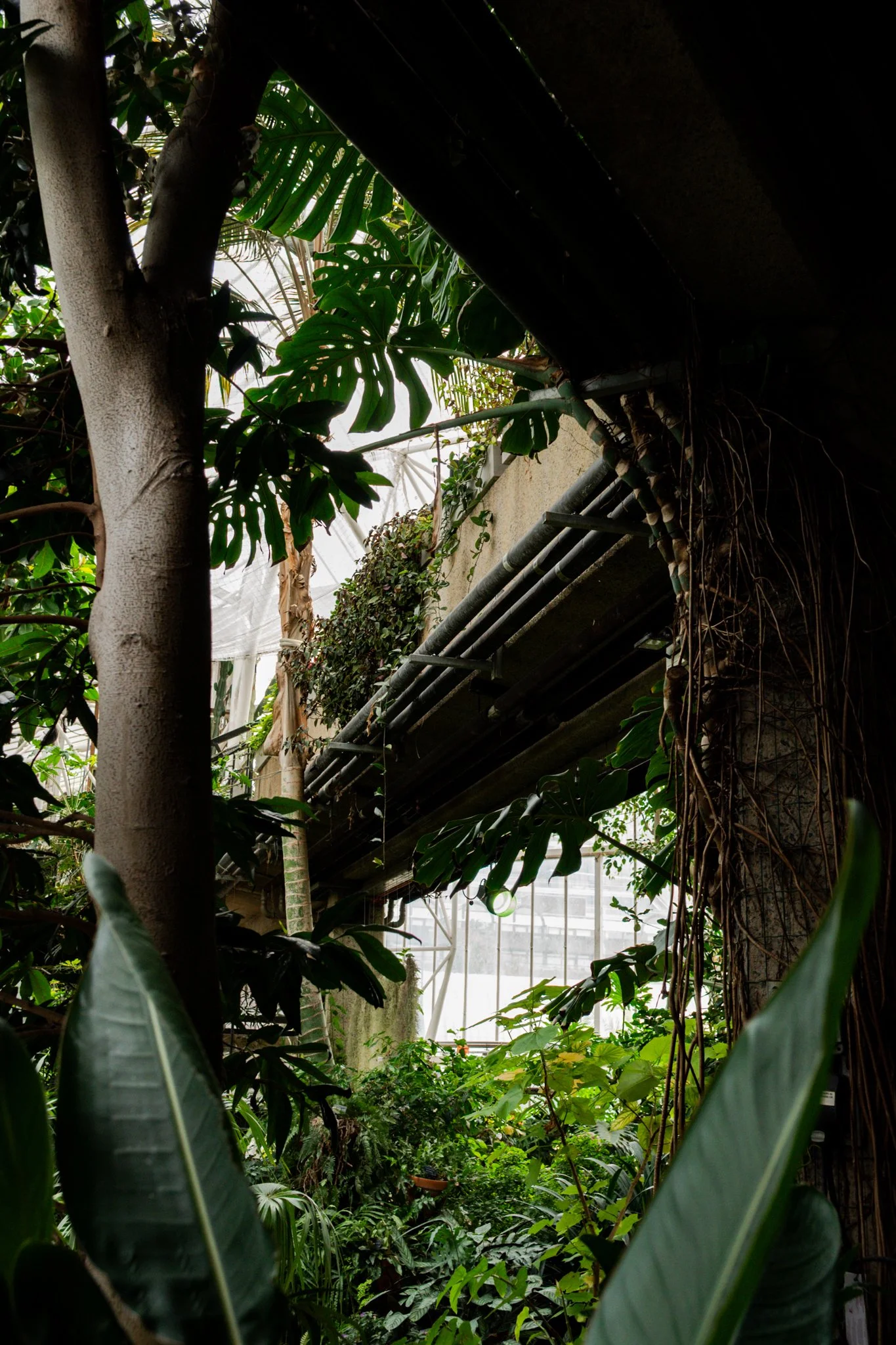
The core of the Barbican’s conservatory is a four-storey concrete pillar with glass ceiling panels branching off it on the diagonals, like a big tent. Beneath is a sea of tropical plants - an urban oasis in the heart of a concrete jungle. Each corner of the conservatory is connected by a concrete catwalk branching out from the square core, switch-back staircases at the ends delivering you to the ground floor.
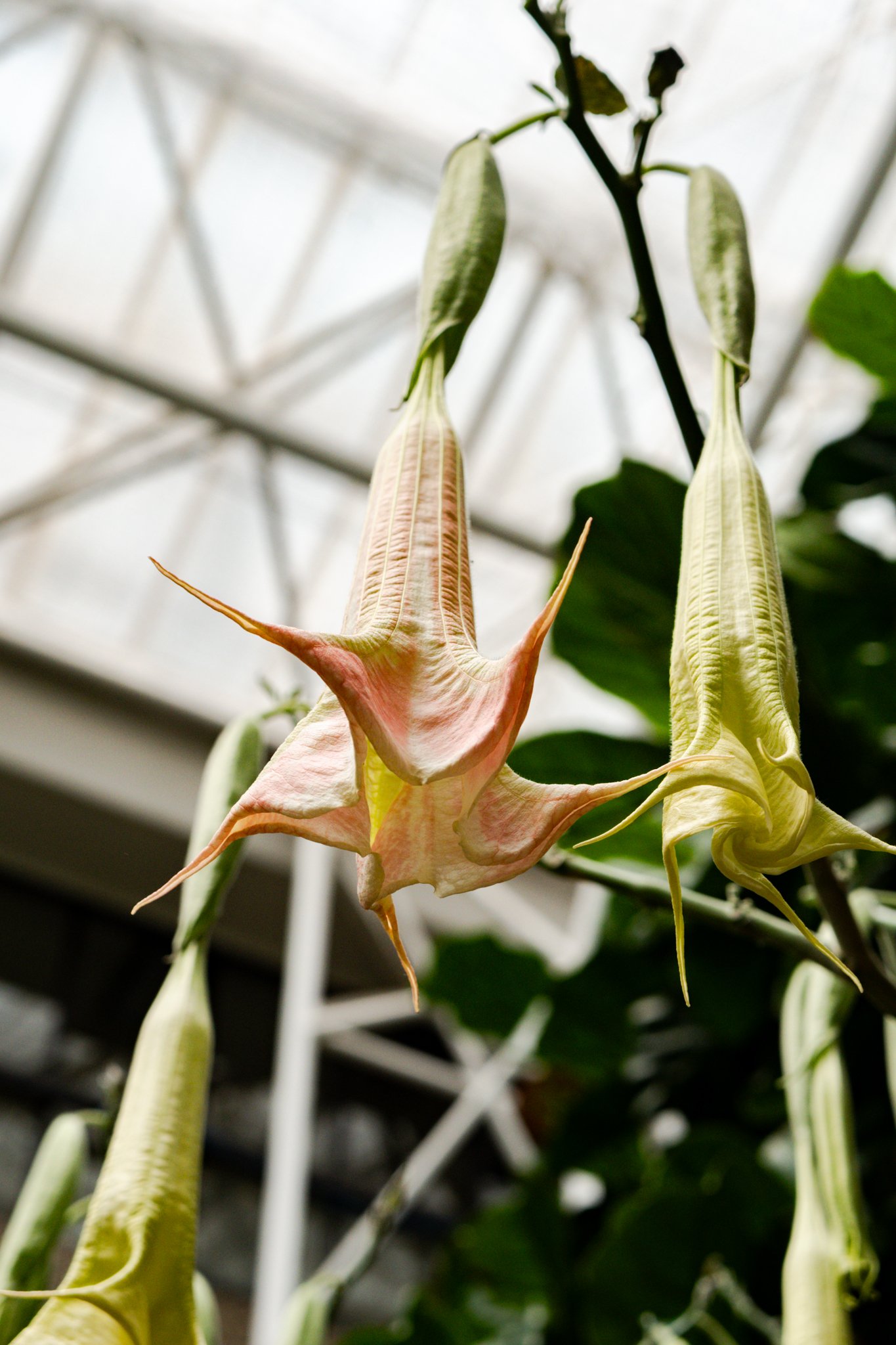
Architecturally speaking, brutalist construction like this allows immense control over the verticals due to the material strength. You end up with floating staircases and gangways that don’t need supporting elements, opening up the space for more plants. Brutalism can understandably get a bad rap - it's monolithic, cold, slab-sided - but I think we can all find beauty in it against the contrast of a bloom of plant life.
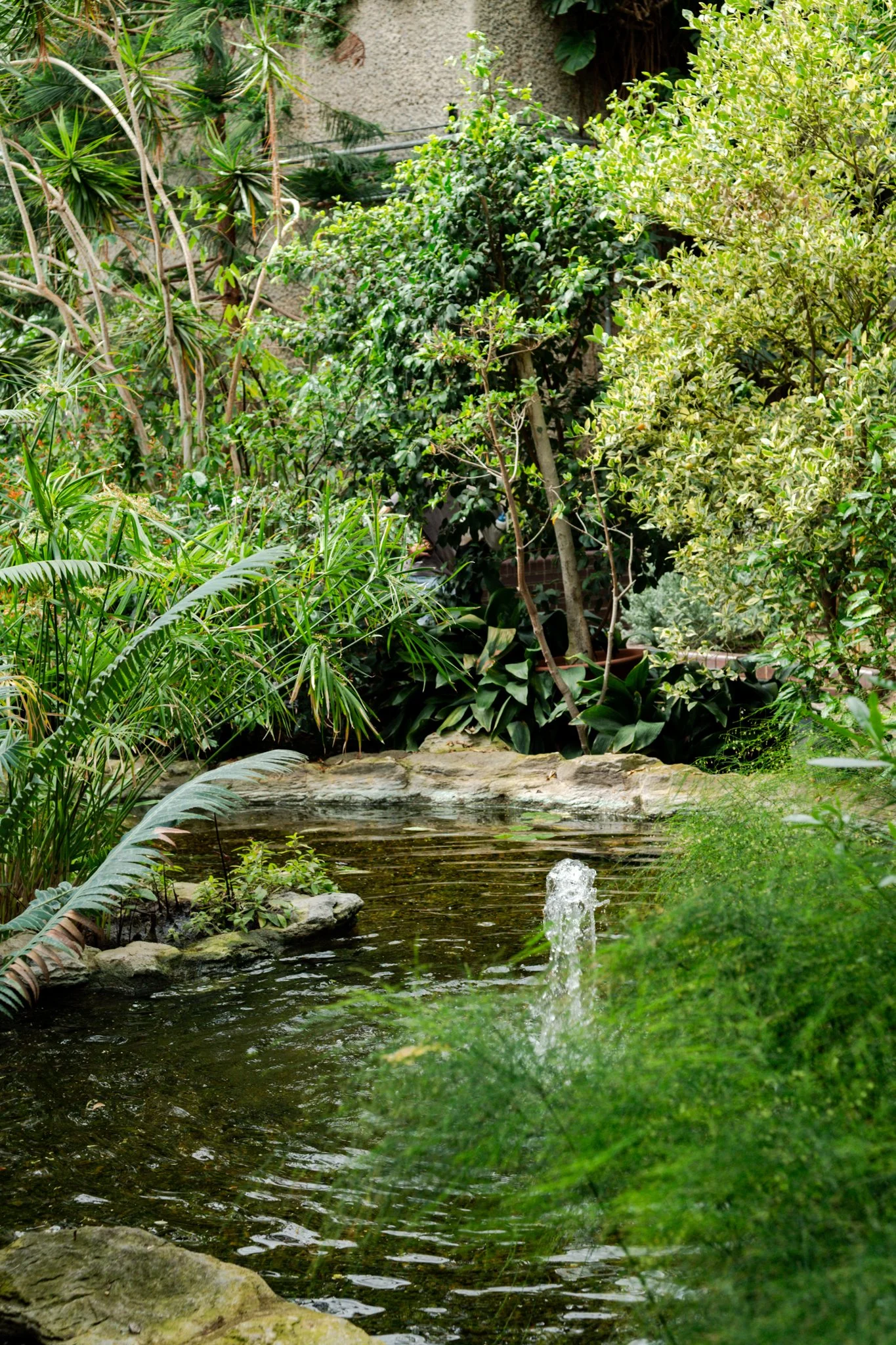
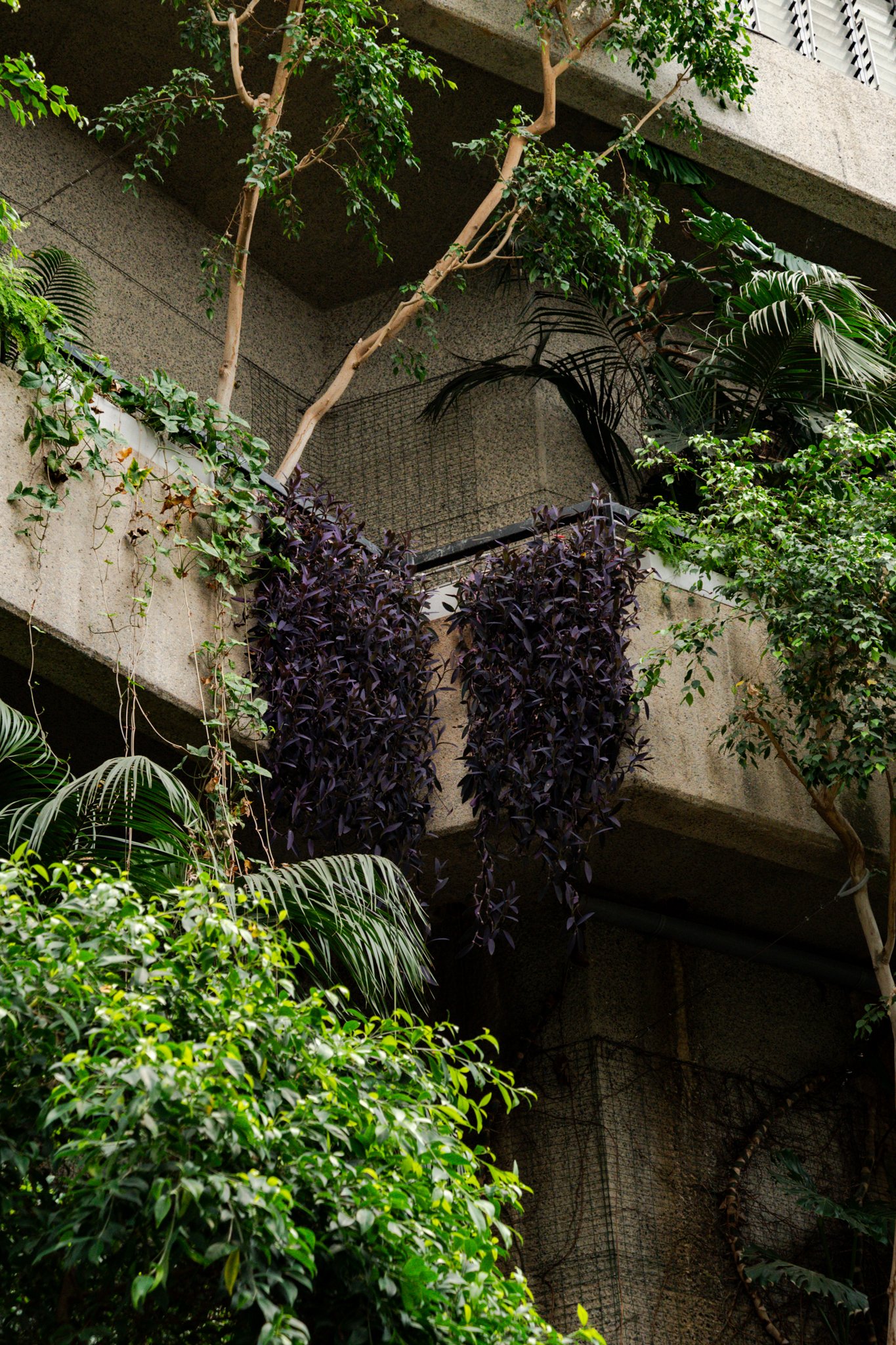
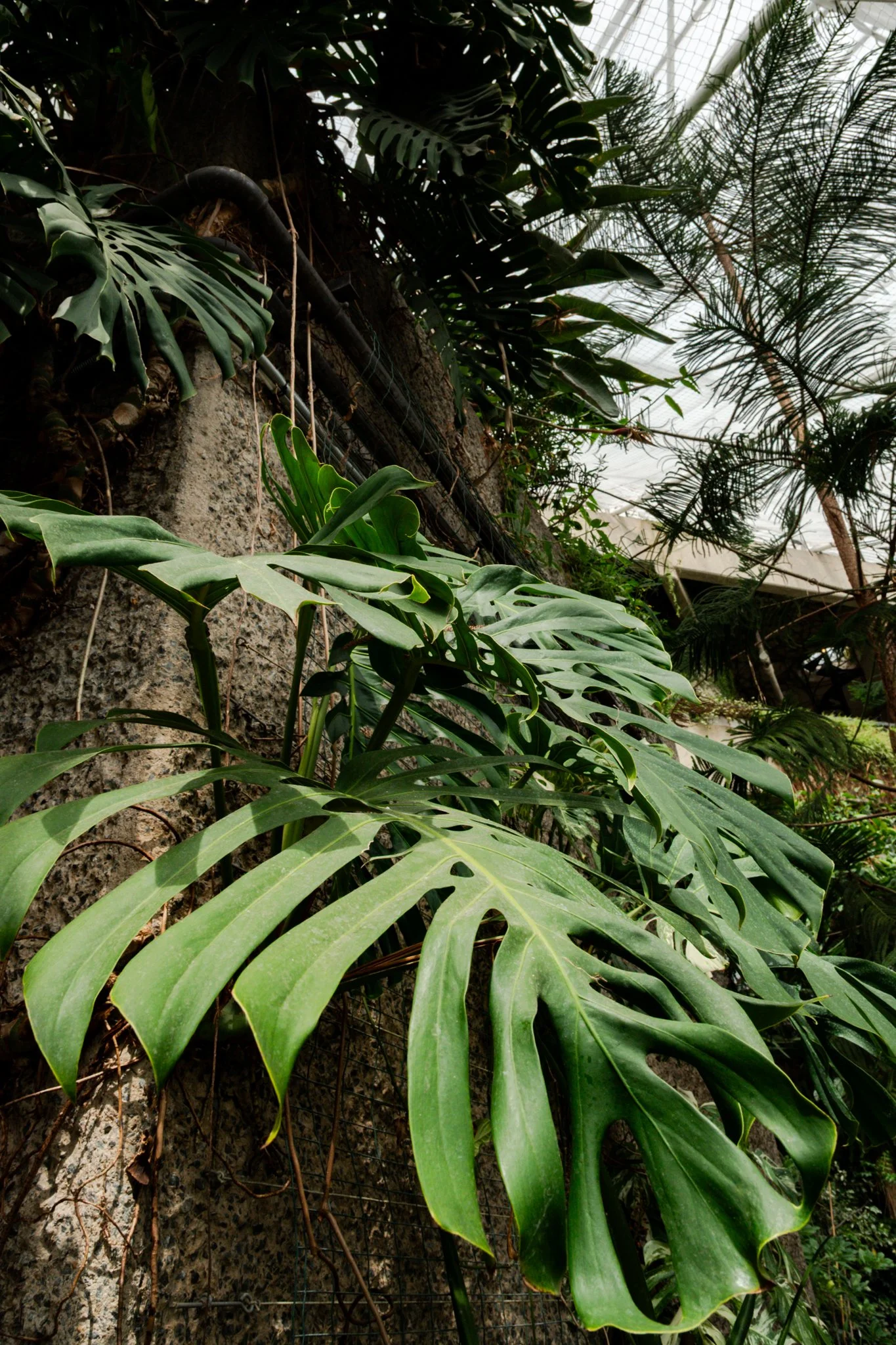
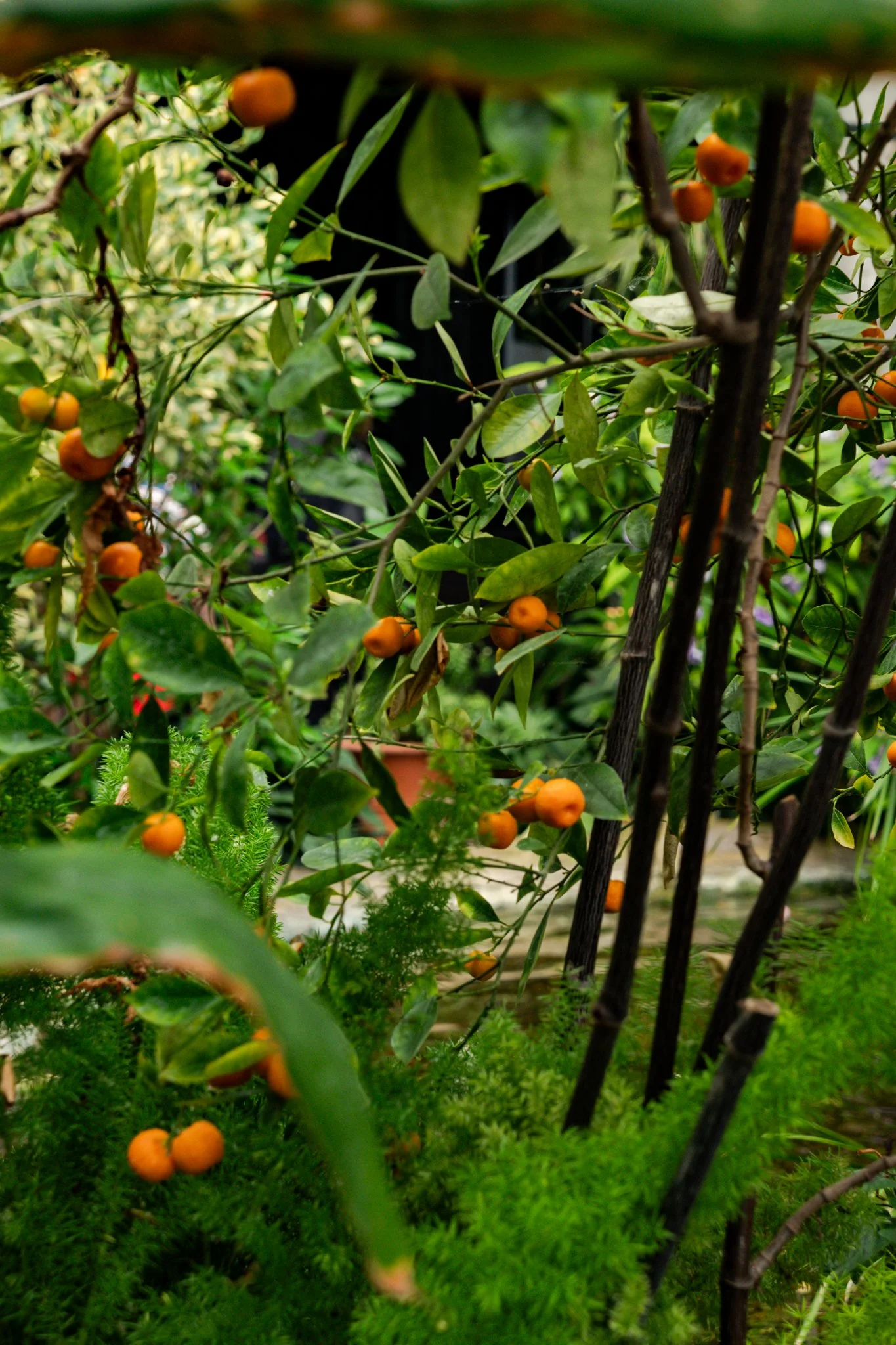
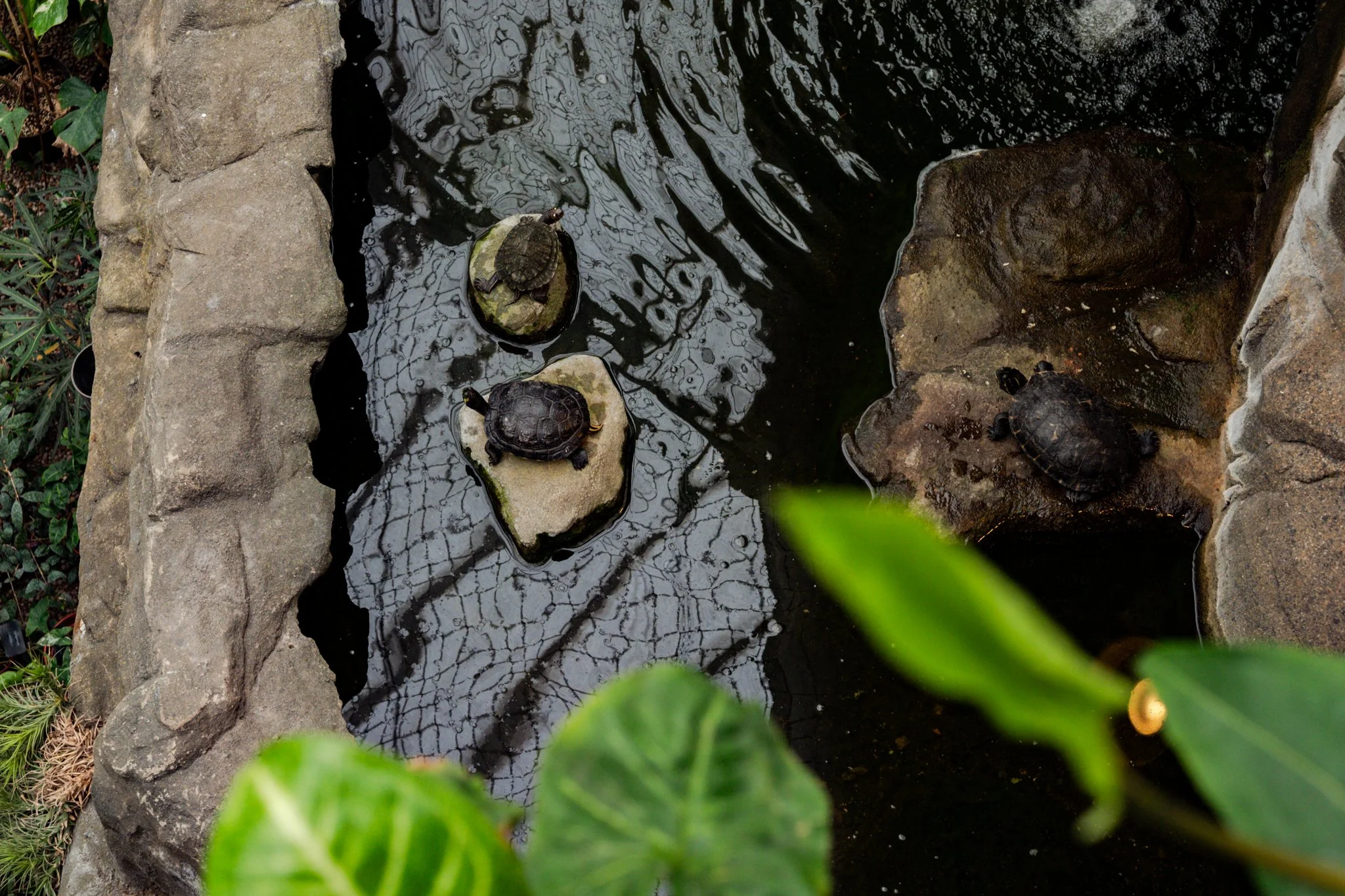
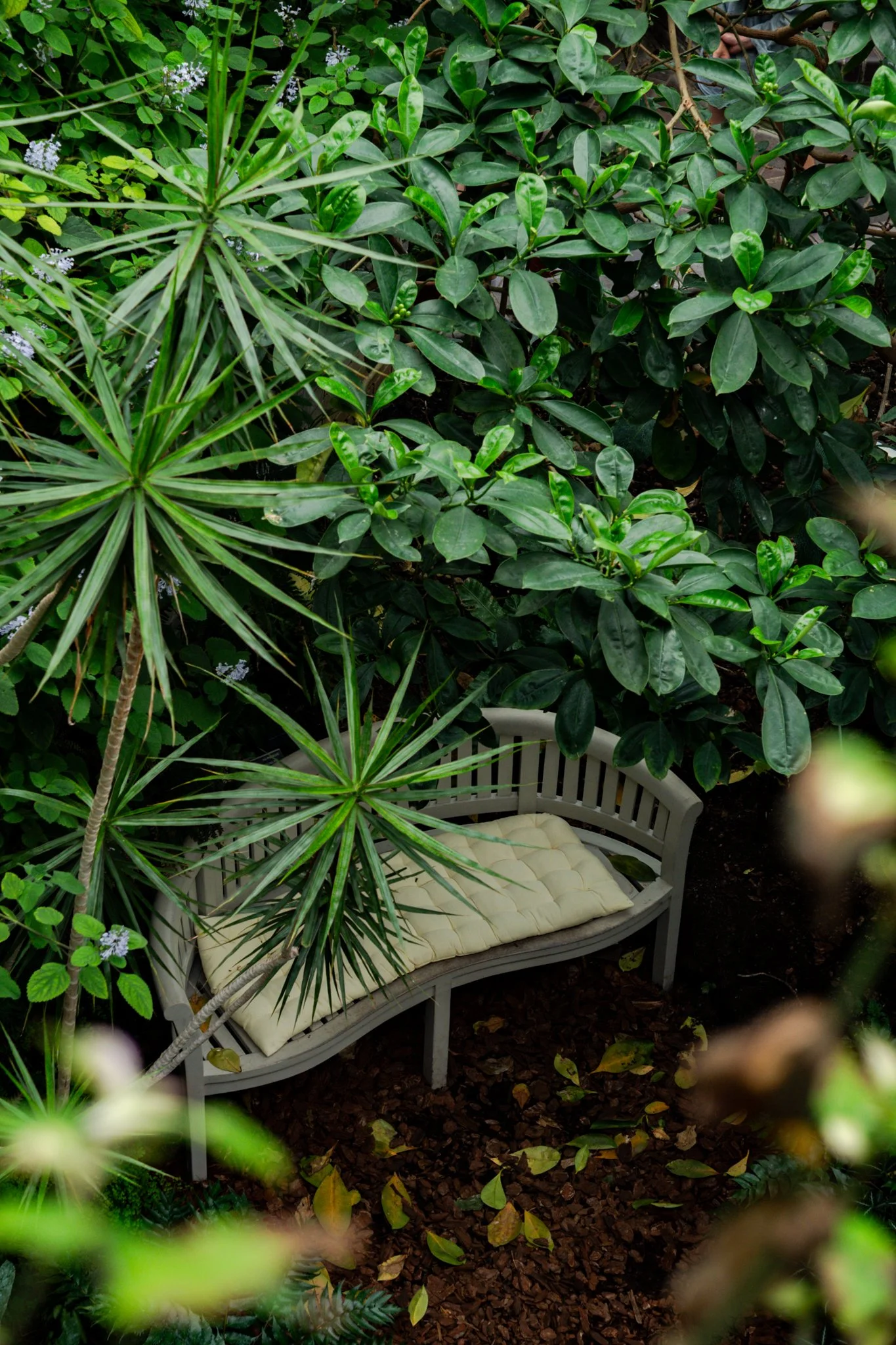
The ground level features tons of little hideaway gardens under fruit trees, ponds filled with the biggest kois I’ve ever seen, and a terrapin pond perched halfway up a wall. It’s the perfect level of overgrown - vines spill off the higher floors down to the ground, monstera roots knot together, purple shrubs burst from planter boxes, and you can feel the love the gardeners must have to manicure this tropical oasis in the heart of cold London.

My immediate thought when walking around was what this must have felt like in the 80s? Many Brits would have never had the chance to travel and never encountered anything like the plants and trees growing in the conservatory. They simply can’t grow outside of a controlled environment like this. To have lived in the Barbican in the 80s, with this oasis literally just a few doors down to explore and clear the mind, read a book in, sketch, or just to sit and ruminate - it must have felt like a bright future had well and truly arrived in central London.



You may also like
-
![]()
A Lynchian Dream: Haus Nowhere
Seoul sets a new standard for retail activations.
-
![]()
A House Amongst The Trees: The Lobster Bay House
A beautiful reminder of the magic that great architecture has.
-
![]()
Coveted Object: Arno Coffee Cups
“If you’re going to have an apple, make sure it’s the crunchiest, juiciest apple you can find.”
-
![]()
Time With: Billy Zammit + Tahmyna Rad
“I really feel the way I live my life is like a research project.”
-
![]()
Getting Stoned with the Dennison A.L.D
Dennison is here to democratise stone dials, and we’re all for it.
-
![]()
Coveted Object: Omega Constellation Manhattan
While all Omega Constellations are created equally, some are more equal than others.
-
![]()
Scorpio By Name & Nature: The Abarth 695 Competizione
A jellybean-shaped muscle car that oozes charisma.
-
![]()
The Rolex Oyster Perpetual Pistachio could be the perfect everyday watch
This green doesn’t shout, it whispers.
-
![]()
Going Big, Bold and Bright with the Doxa Sub 300T Divingstar
Unapologetic in its purpose, the Doxa Sub 300T brings an authenticity rarely seen from other watches.