How To Buy Your First Vintage Watch
Words + Photos: Jack Shepherdson
Additional Photos: Georgia Griffiths
Vintage watches can feel like a minefield - but it doesn’t have to be that way. I’m often asked where to begin when you get the bug for a vintage watch, so here are the tips I would give to anyone looking to jump into the exciting world of vintage watches.
Decide what you want
Vintage watches are an unbelievably deep rabbit hole, and that’s both good and bad. You can spend a lifetime uncovering watches you’ve never encountered before, which means there’s a different watch for every occasion and mood, and unfortunately no silver-bullet watch that can do it all. This is one of the reasons that when you first dip your toe in to buy it can be overwhelming - it’s decision paralysis.
So many watches, so many ways to go, and there’s no one perfect watch that can tick every possible box. So decide what you want - it doesn’t need to be a specific watch - but deciding on a genre or type of watch is a good place to start. Narrowing things down to the style of watch you want (e.g. dive watch, a certain dial colour, or case material) will help narrow down the field and find a watch that really makes you smile.
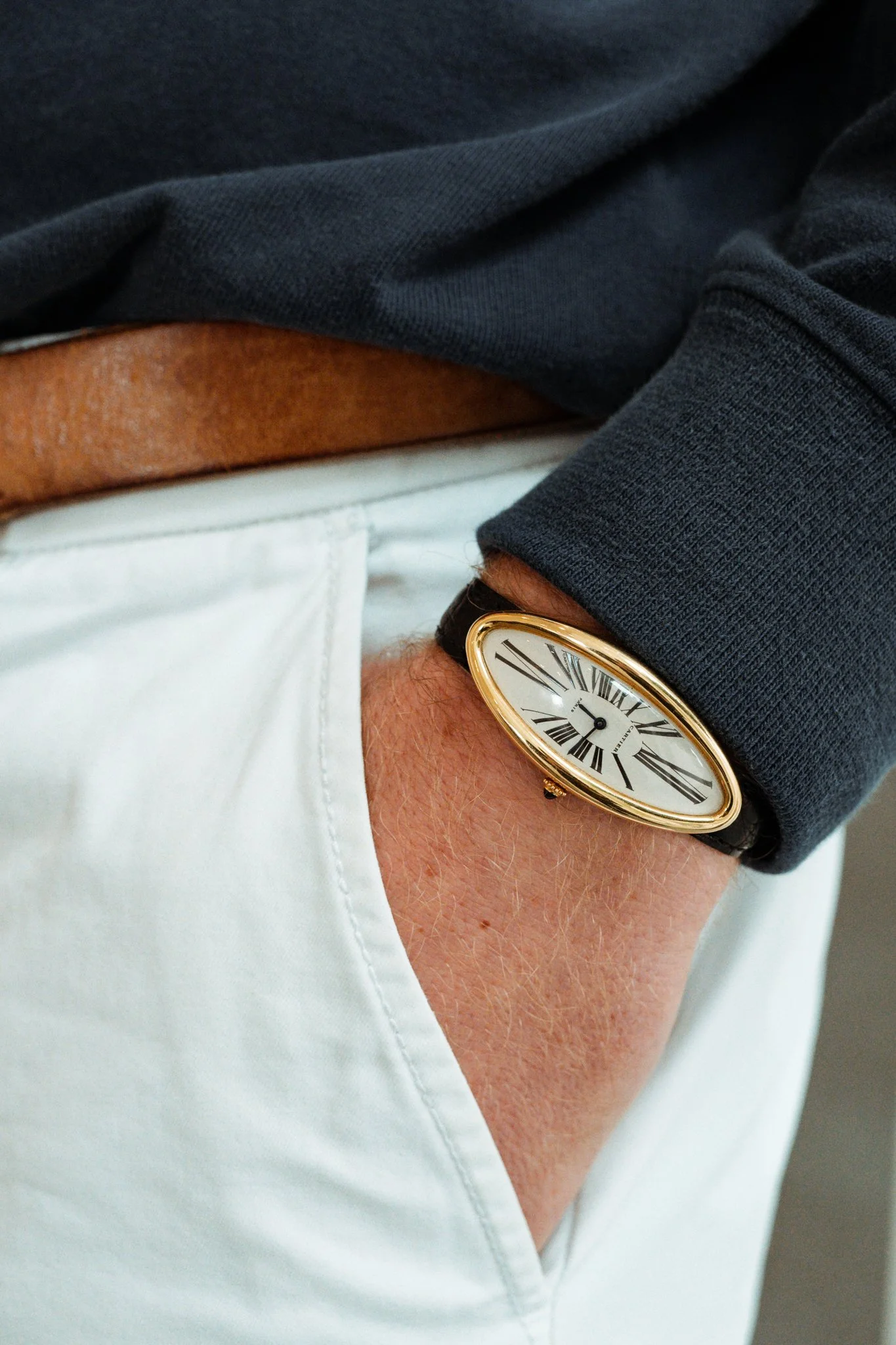
A Cartier Baignoire Allongée.
It’s never about the money
It’s time to dispel a common misconception in watches, especially for those who have become interested in watches in recent years or are just dipping their toes in now.
You don’t need to be rich to buy vintage watches. Yes, you can spend tens of millions on a single watch, but there’s a spectrum. I could give you hundreds of recommendations under $1,000 and even more under $500 - and if you want to spend even less you can! Quirky Vintage Seikos, Bulovas and Swatches can be had any day for under $100.
There are incredible watches in all price points, but you may have to look outside of the trend cycle to find watches to fit your budget.
Buy what you like
This is the most important tip I can give anyone. Don’t feel compelled to buy what’s popular right now - instead, buy what truly makes you the happiest. Not only will you avoid inflated prices on a watch that’s currently hyped, or falling out of love with it when it’s out of vogue, but you’ll also get to have the main character moment of being the only person in a room with your watch. It’s boring to have a watch (or collection of watches) that’s the same as everyone else's.
As Karl Lagerfeld said, “trendy is the last stage before tacky”. This applies for new watches just as much as it does with vintage, so ignore the online chatter and buy the watch that you can’t get out of your head.
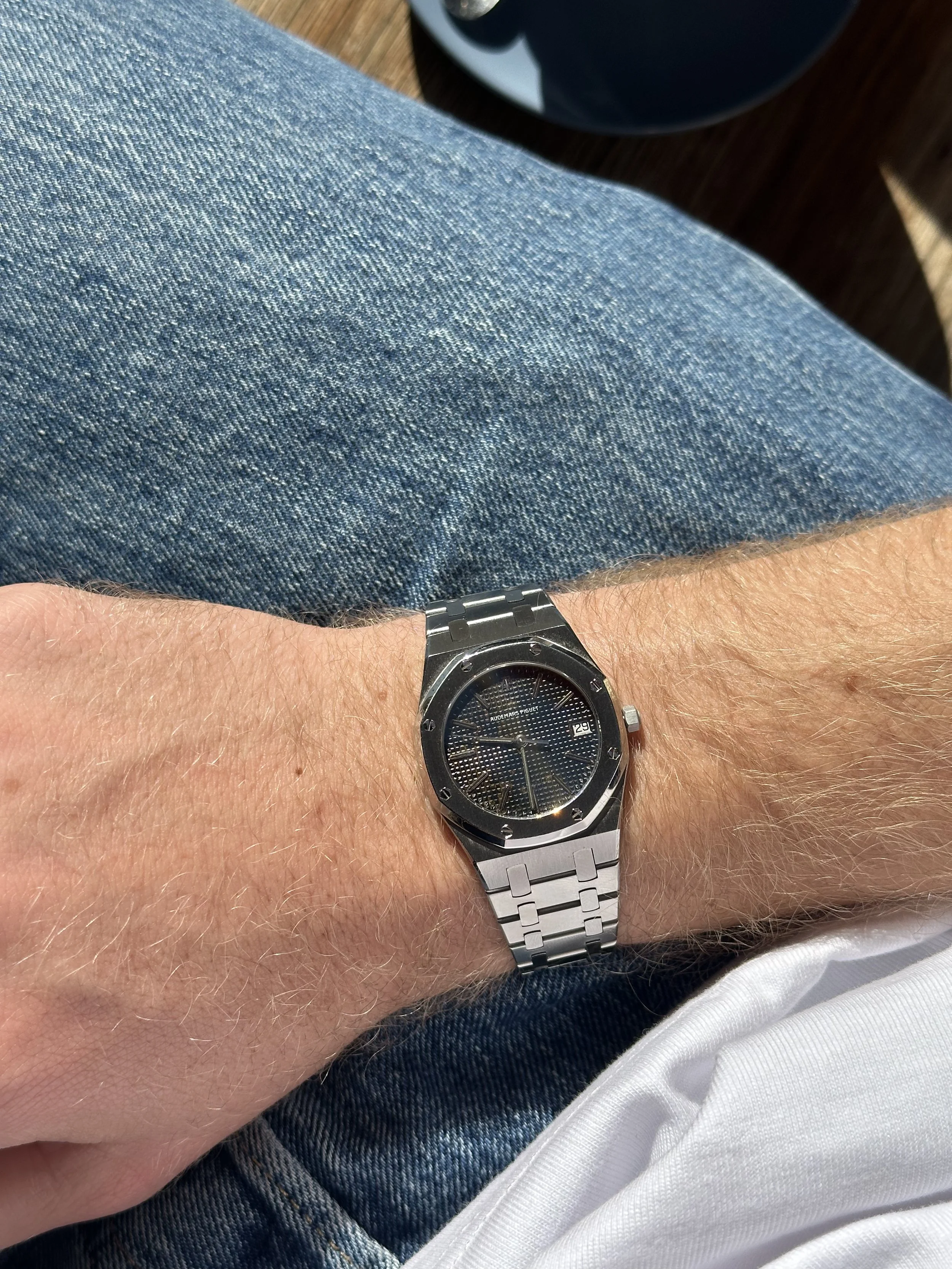
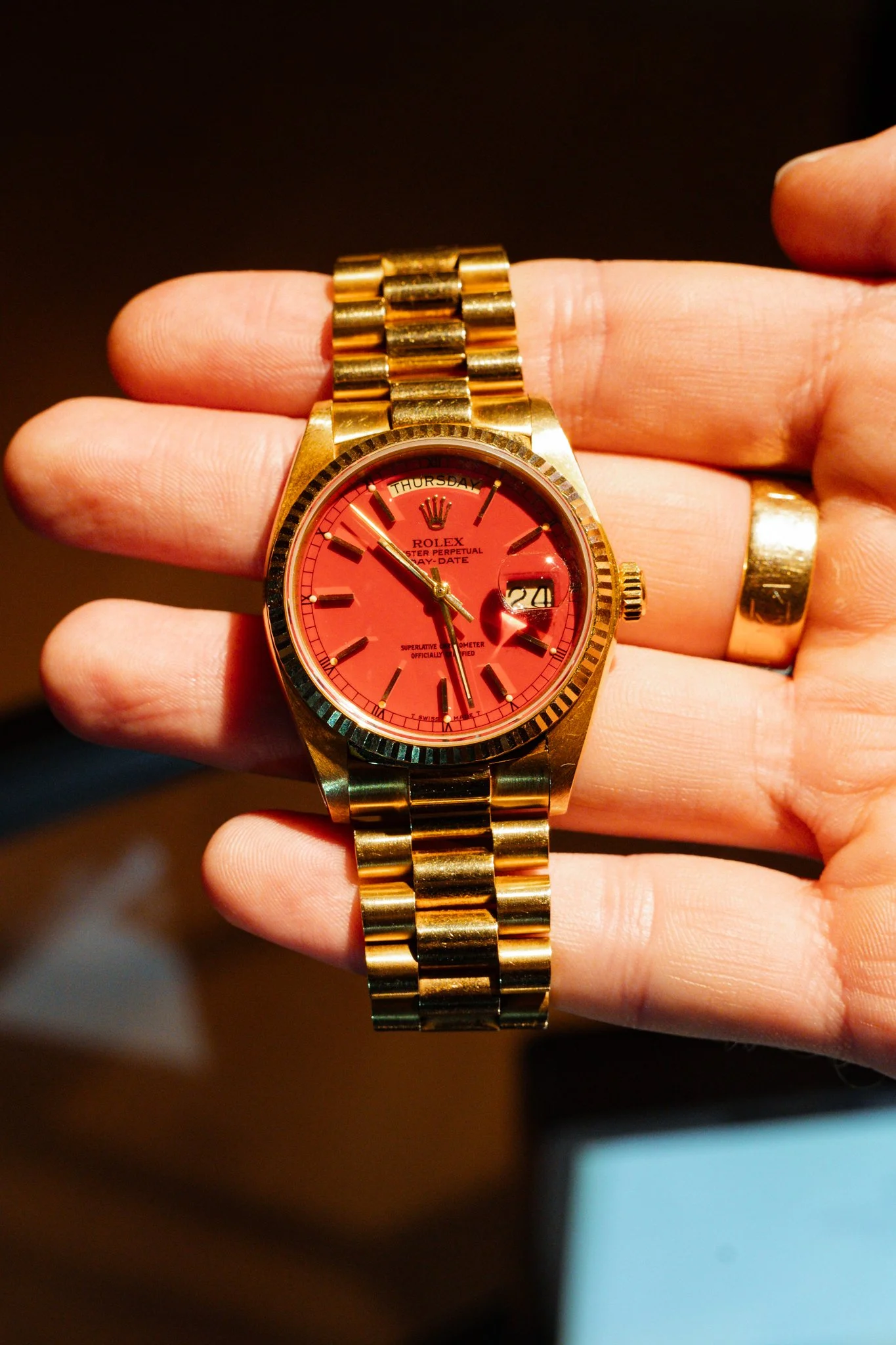
A Rolex Day-Date Stella Dial (left) and a vintage Audemars Piguet Royal Oak (right).
Know your product
A bit of research goes a very long way in the world of vintage watches. No one is expecting you to be an expert, but a bit of knowledge about the watch you’re interested in, such as its movement, how it looked when it left the factory in original condition, and its value, is going to pay dividends.
Condition is an especially important factor in vintage. We’re talking about objects that in some instances are a century old. They live a hard life, so replacement parts and polishing are a common part of it. Collectors prize watches in original condition over anything else, so prices will fluctuate between a perfect original condition piece and one with less desirable changes like a refinished dial, polished case or incorrect non-original parts.
Knowing what the watch you’re buying looked like when it left the factory is therefore going to save you accidentally buying a watch that’s no longer original. If originality doesn’t matter to you (and that’s completely fine), being aware of what you’re buying is going to save you money.
So how do you learn about watches? Read and watch as much as you can. There’s a treasure trove of articles and videos on Fratello Watches, Hodinkee, SJX, and here on Joli Laide. Hodinkee’s Talking Watches video series is the perfect place to begin. Ask people about their watch if you see one you like - you’ll be surprised how much a person is willing to share about their favourite accessory.
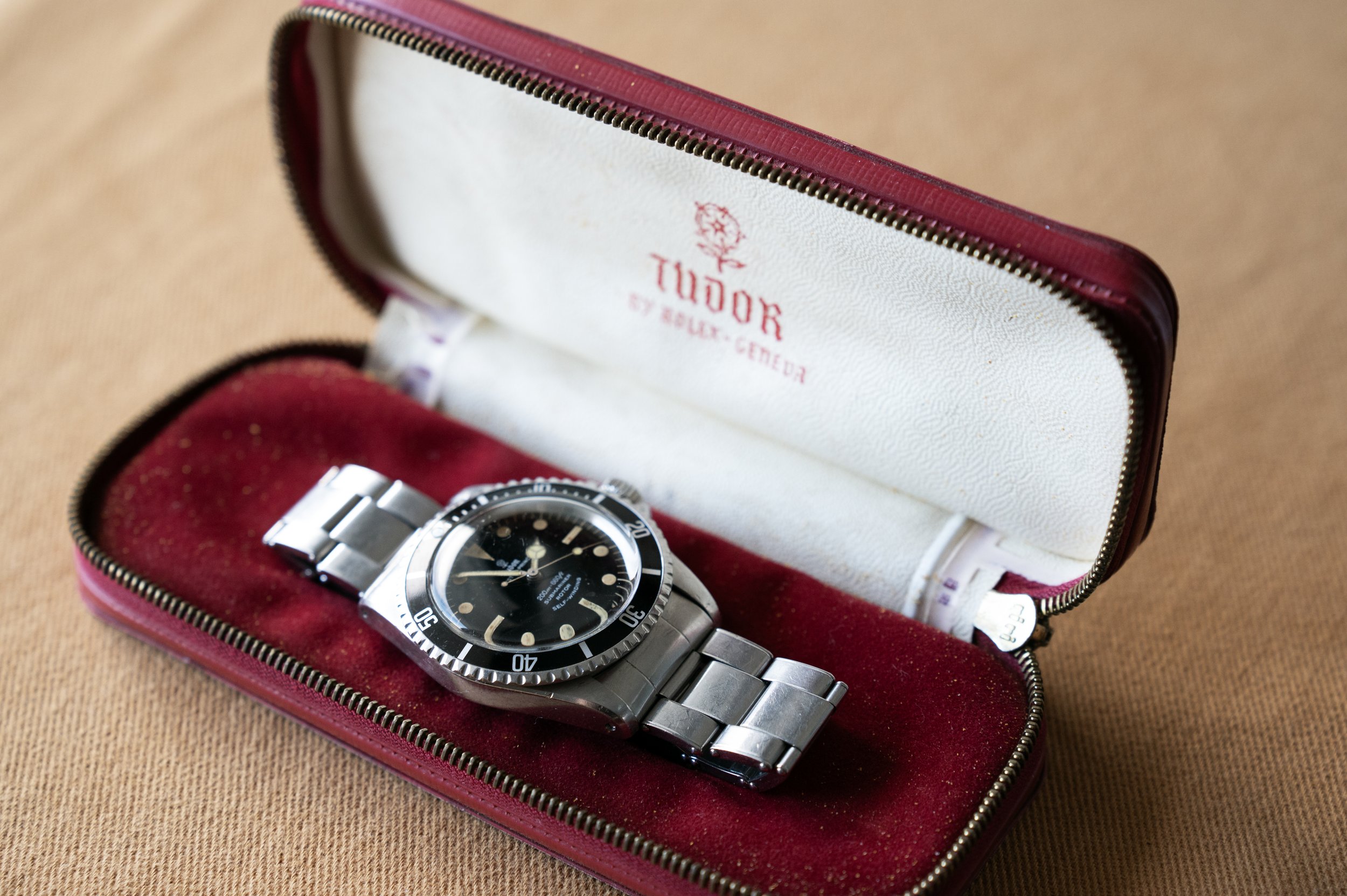
A Tudor Submariner ref. 7928.
Buy the seller
A vintage watch is only as good as the person selling it. Reputation is everything to a seller who wants to sell more than one watch, so a trustworthy seller will be very careful not to burn bridges.
It’s very normal to ask sellers for references from previous buyers, and most should happily provide them. Interrogating a watch's history, condition, repairs, and service history is as normal as if you were buying a used car - don’t be afraid to ask questions. If buying online, this is even more important, as you may need to assess the watch without seeing it in person. Some dealers can try to create pressure to purchase, but never feel that you have to purchase out of obligation, especially if your questions haven’t been fully answered.
Bonus tip: Find your watchmaker
Down the line your mechanical or quartz watch is going to need a service, so having a watchmaker in your corner is essential.
Most watchmakers specialise in specific types of watches - some just service Japanese watches, some are really good at chronographs, and some will only touch Swiss watches. Asking for recommendations from watch dealers and the community is a great place to start to find the right watchmaker who’s both close to you and right for your watch.
I’d even recommend finding the watchmaker before you find your watch, and possibly even visiting their workshop to meet them. Watchmakers are very friendly and love to share their passion, and often also sell watches. You never know, it could be where you find your perfect watch for sale.
Have you bought your first vintage watch recently? DM us @joli.laide, we’d love to see it!
You may also like
-
![]()
When Two Worlds Collide: Our Favourite Fashion Collaboration Cars
Taking designs from the runway to the speedway.
-
![]()
Internet Time: When Swatch Invented A New System of Timekeeping
In 1998, Swatch posed a question: what if we all lived on Internet Time?
-
![]()
A Visit To The Japanese Temple of Collector Cars
Concorso d’Eleganza Japan has well and truly earned its spot on the global car event calendar.
-
![]()
Coveted Object: Omega Constellation Manhattan
While all Omega Constellations are created equally, some are more equal than others.
-
![]()
The Rolex Oyster Perpetual Pistachio could be the perfect everyday watch
This green doesn’t shout, it whispers.
-
![]()
Going Big, Bold and Bright with the Doxa Sub 300T Divingstar
Unapologetic in its purpose, the Doxa Sub 300T brings an authenticity rarely seen from other watches.
-
![]()
This Lotus Elise Is A Fully-Functional Mobile Coffee Shop
Cars and coffee collide in a new way at Café Elise.
-
![]()
An Oasis In The Heart Of The City: The Barbican Conservatory
Tropical Brutalism never looked so magical.
-
![]()
A House Amongst The Trees: The Lobster Bay House
A beautiful reminder of the magic that great architecture has.
-
![]()
Coveted Object: Arno Coffee Cups
“If you’re going to have an apple, make sure it’s the crunchiest, juiciest apple you can find.”
-
![]()
Scorpio By Name & Nature: The Abarth 695 Competizione
A jellybean-shaped muscle car that oozes charisma.
-
![]()
The Beachcomber House Is A Modernist Utopia
A house for the price of two family cars? It’s more likely than you think.