Where Art Meets Nature
A Weekend at Bundanon
Words: Jack Shepherdson
Photos: Georgia Griffiths
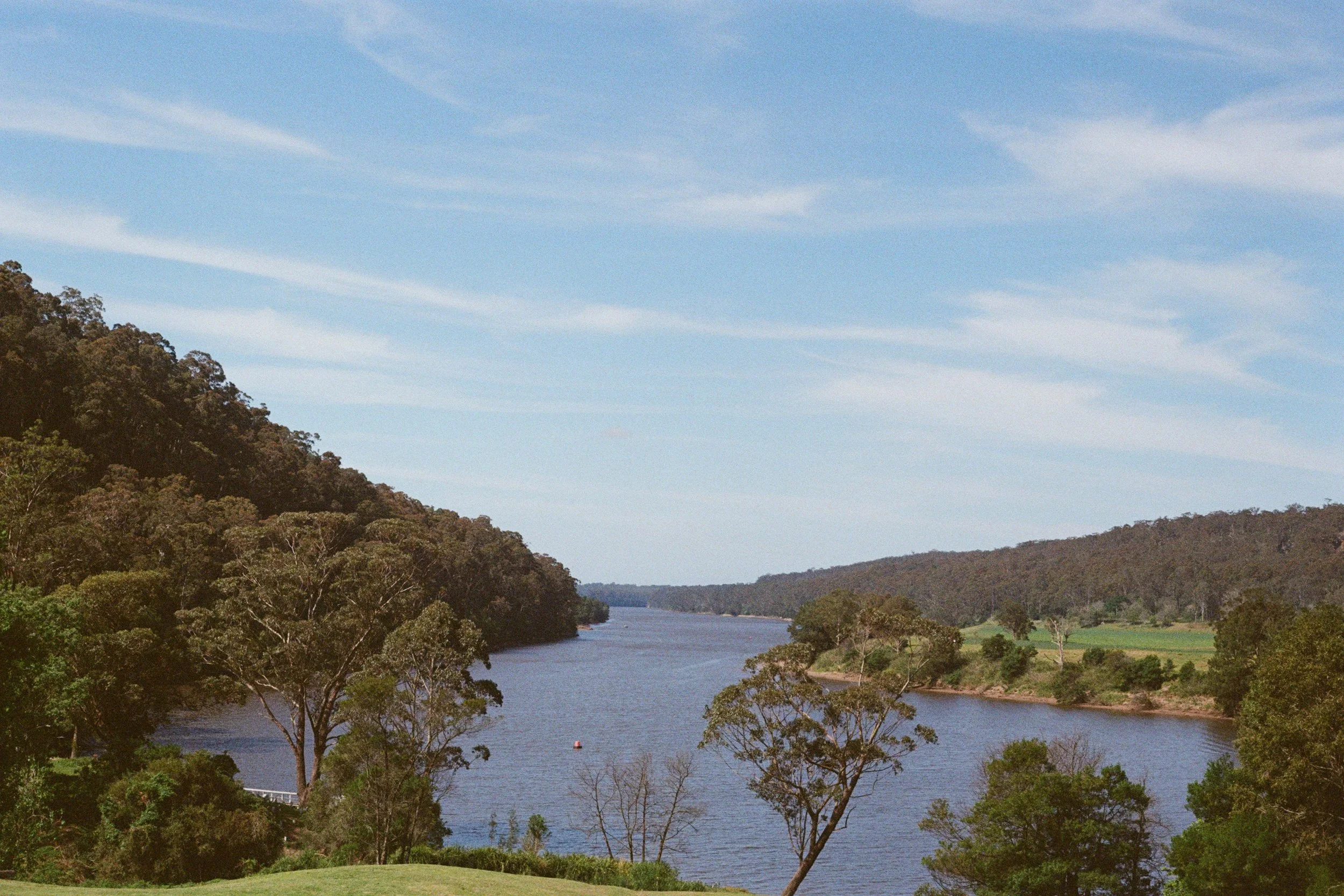
Bundanon has lived many lives. Nestled against the banks of the Shoalhaven River, just a stone’s throw from Nowra, the property was the elusive muse of one of Australia’s greatest painters, Sir Arthur Boyd. Gifted to the public via a trust in 1993, it became one of the country’s most beautiful cultural assets. Now, its latest and boldest evolution has seen it become a very special short-stay accommodation.
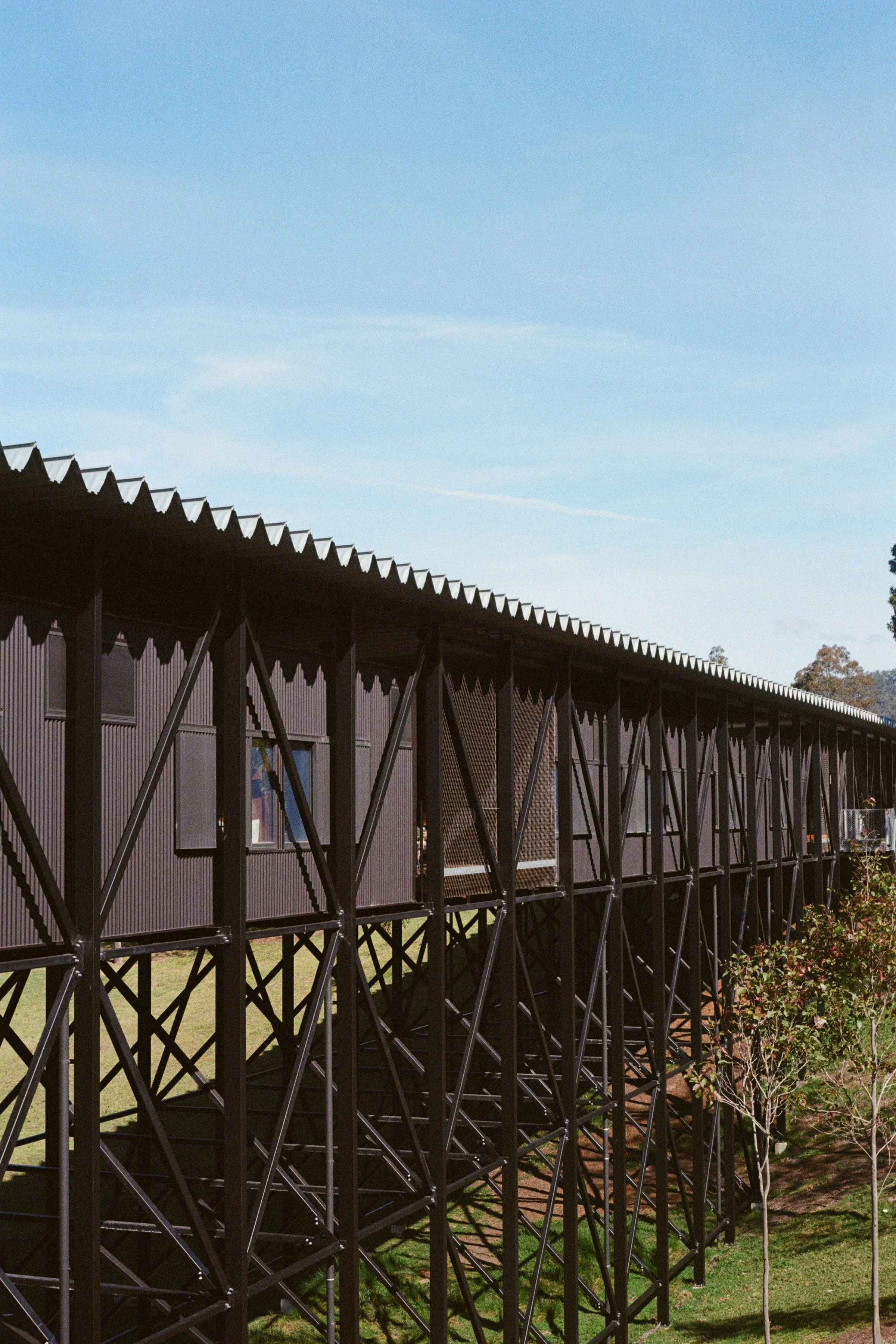
One of Australia’s most celebrated painters, Sir Arthur Boyd called Bundanon home for decades, painting its natural landscapes. He and his wife Yvonne Boyd gifted the property to the Australian people in 1993, establishing it as a National Trust for education in the arts. It has since spawned multiple galleries and education spaces, collecting a Sulman Medal for Public Architecture along the way for its education space designed by Glenn Murcutt. In Bundanon’s latest evolution, it extends another hand to welcome visitors even further into its world, with its unique new accommodation The Bridge. Designed by Kerstin Thompson Architects, it offers accommodation for up to 64 guests in 32 rooms, plus dining and common spaces. It was also awarded the Sulman Medal upon opening in 2022.
Staying overnight at The Bridge is an immersive experience. Guests can only stay at the accommodation by booking into one of the weekend-long programs offered multiple times a year. It may feel a little on the structured side compared to your traditional weekend away in the bush, but it's designed to engulf visitors in the landscape and the Boyds’ vision of a public cultural centre.
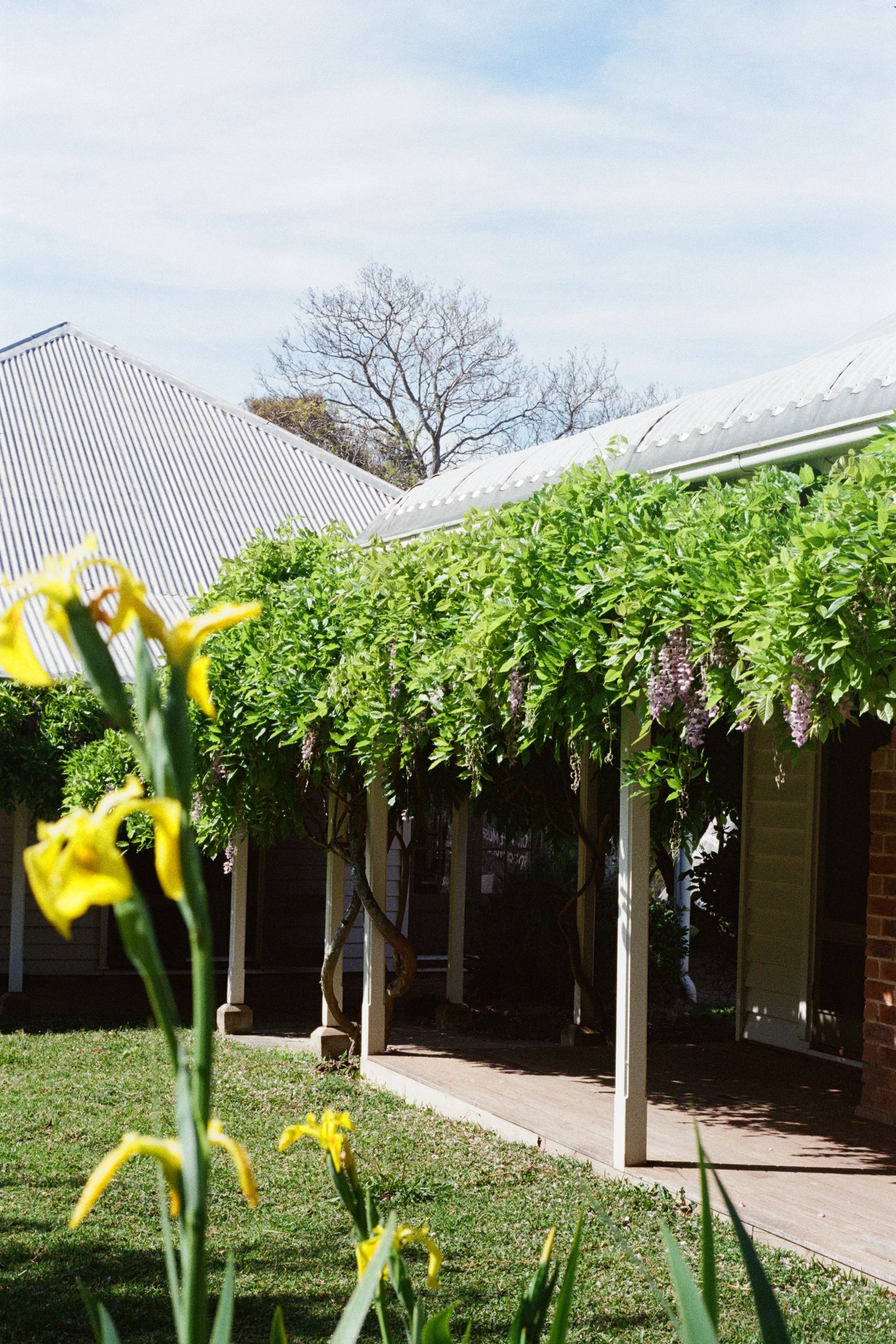
Arriving from nearby Berry, we were immediately in awe of the scale of the landscape around us. Descending into the property from the road above via a steep, unpaved road creates the perfect transition into the weekend. On the day we arrived there was a makers’ market in full swing, open to the wider public as well as the lucky 60-odd guests that for one night would call Bundanon home.
After our afternoon check-in we were given some time to explore the markets, before meeting with the staff for a guided tour of the estate, learning about Arthur and Yvonne Boyd’s lives. We learnt how long they’d chased a home in the Shoalhaven region before luck granted them the opportunity to purchase the estate, and how their artistic practices intertwined with the land. Walking around the verandah of the first home Arthur and Yvonne lived and painted in, looking down the valley as the Shoalhaven River opened beneath us, we began to grasp how the impressionist painter and his family became so enamoured with this location.
Our tour continued to the gallery, which is cleverly buried into the hillside. This not only reduces its visual mass on the landscape, lessening its disruption on local wildlife, but also assists in cooling the gallery and protecting it from the elements. Opened in 2022 as part of the broader Kerstin Thompson Architect project, the gallery is built to withstand fire, floods, and the extreme weather that seems to be increasingly common these days. This was a direct response to the black summer fires of 2020, which saw flames reach within 1km of the property’s collection, most of which was evacuated to Sydney as a precaution.
The parts of the gallery that do peek out of the hillside are sublime. A polished concrete wall blends a long bench into much of the building’s facade, inviting visitors, even whilst outside, to get as close as they’d like to the building and sit up against it. Porthole-like windows dotted across its length invite glances at the gallery inside.
David Sequeira’s exhibition The Shape of Music was enjoying its final weekend on display during our visit, which meant the artist was on hand and kindly hosted a private tour through his work. I always feel there's no better way to experience an artwork than with the artist on hand, and listening to David talk us through exploring his relationship with colour, sound, geometry, and form in the work allowed us to take a step into his process, which really brought this quite impressive work together for me. The centrepiece of The Shape of Music is a work commissioned by Bundanon: a ring of thirty music stands holding sheet music, on which David has hand-painted glittering images, in his signature circular colours, of the night sky above the property.
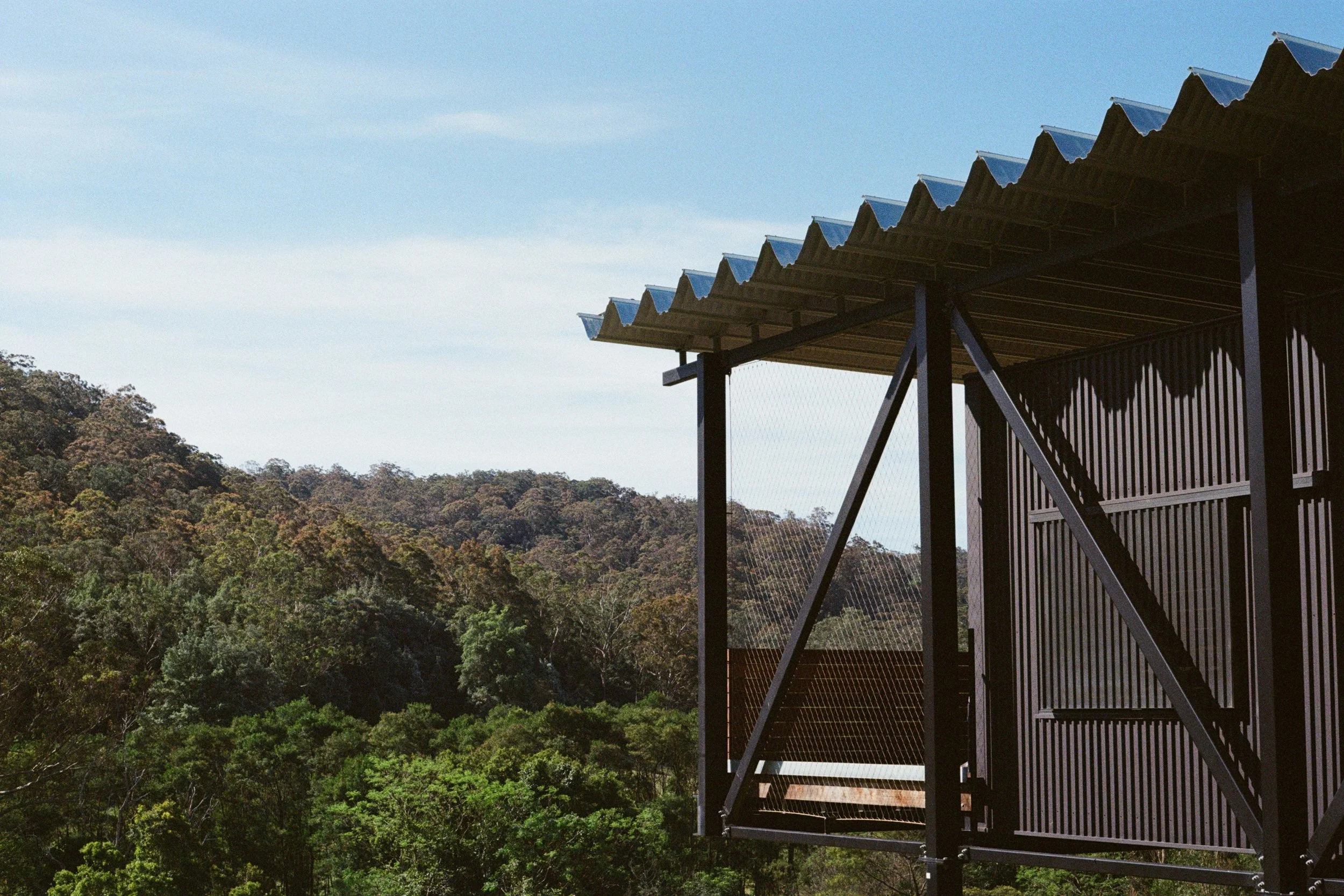
Finishing our tour with David, we had the chance to relax in The Bridge before dinner. This was our first chance to properly unwind, and begin taking in just how special a place we had found ourselves in. We perched ourselves in a lounge section of The Bridge that was completely open in all directions: one side leading down the long corridor with rooms on both sides, the three other sides open with views down the valley and back up into the bush. The open sides were protected by just a thin net so the cooling evening breeze could blow naturally, undisturbed through the structure.
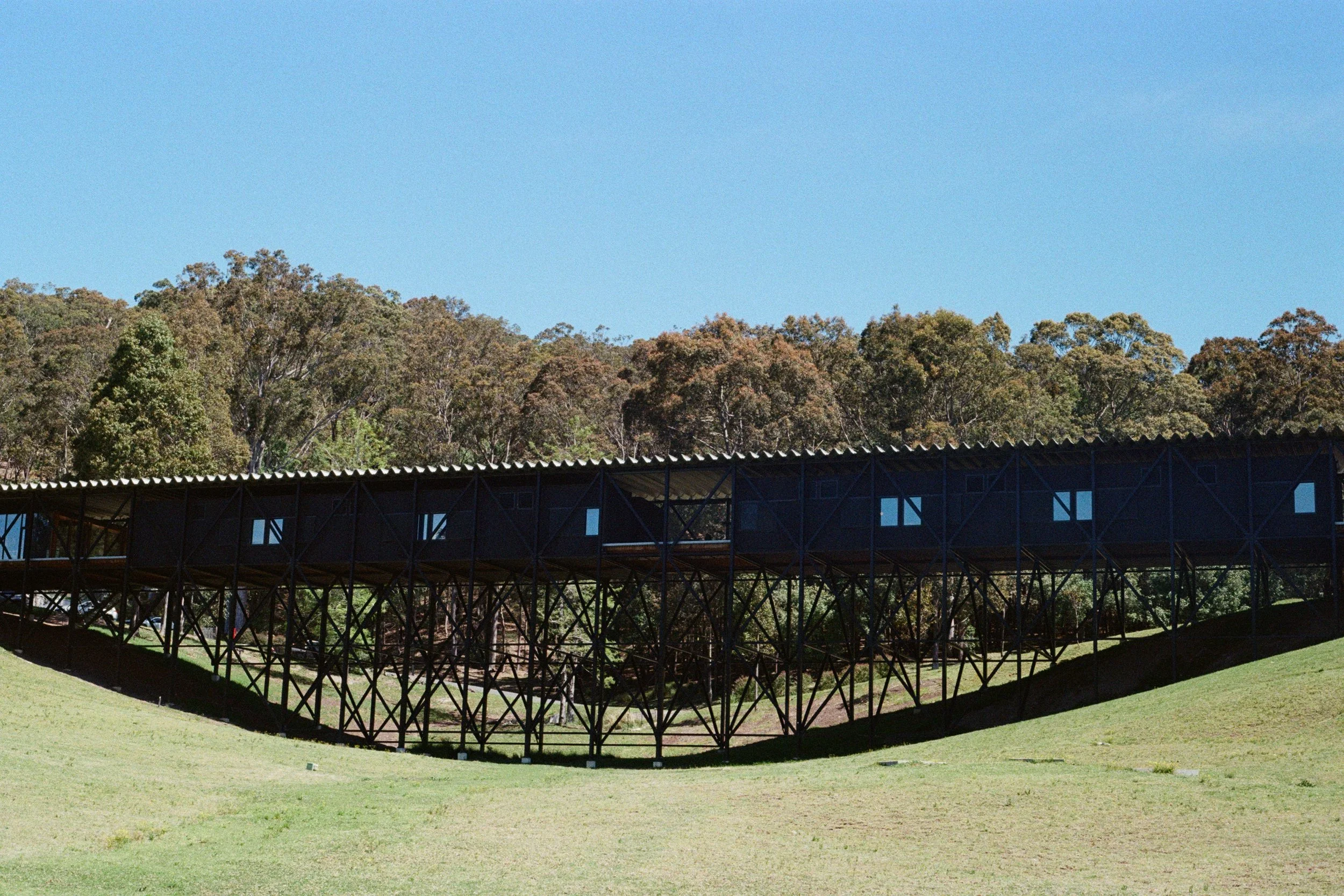
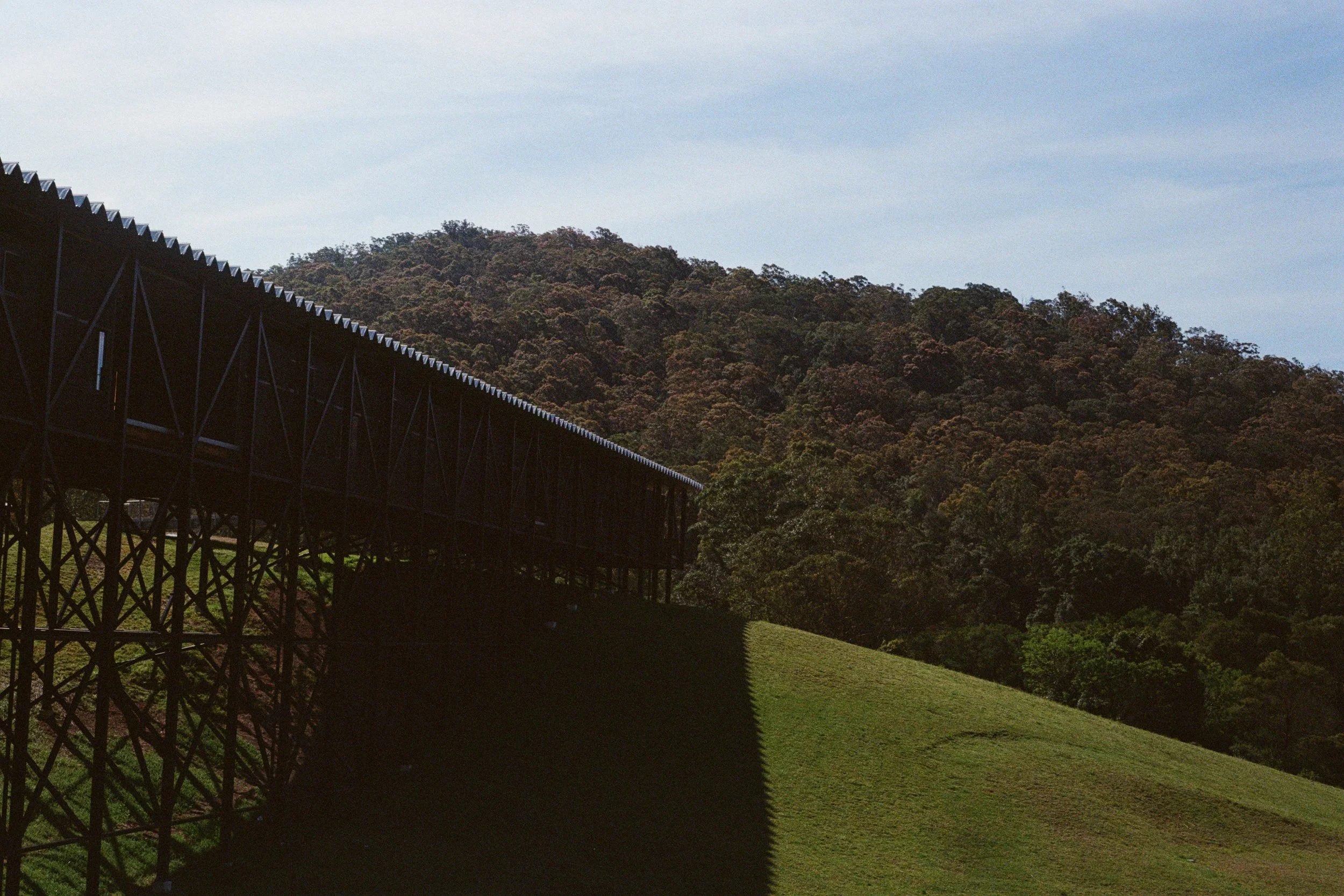
The Bridge itself is only one storey tall, but sits fifteen metres off the ground at its highest point, held up by spindly steel construction, built as such so floodwaters can pass through the valley without damaging the building. It’s designed to infringe on the environment as little as possible, aside from providing shade to wildlife. We regularly saw families of kangaroos lounging underneath it, hardly deterred by the presence of humans.
Dinner, included in our accommodation package, saw us share a communal meal with our fellow guests. The multi-course meal was designed to be shared, and we learnt a lot about our tablemates. After dinner, we took the long way back to our room, and walked the path down the valley to gaze up at The Bridge lit up at night. We weren’t alone - Bundanon is packed with wildlife, and we encountered families of wombats lolloping around the Glen Murcutt Education Centre’s veranda, and rock wallabies living in the native hedges in the courtyard of the Boyd’s house. We lost count of the number of kangaroos we encountered, and spotted local owls beginning their evening hunt. It struck me that this is what a lot of Australia was once like, with wildlife living densely and freely, before our impact on the landscape began to separate us. Possibly this is what Bundanon does best: it creates a place where we can exist alongside our landscape and wildlife in harmony, through great, highly considered architecture.
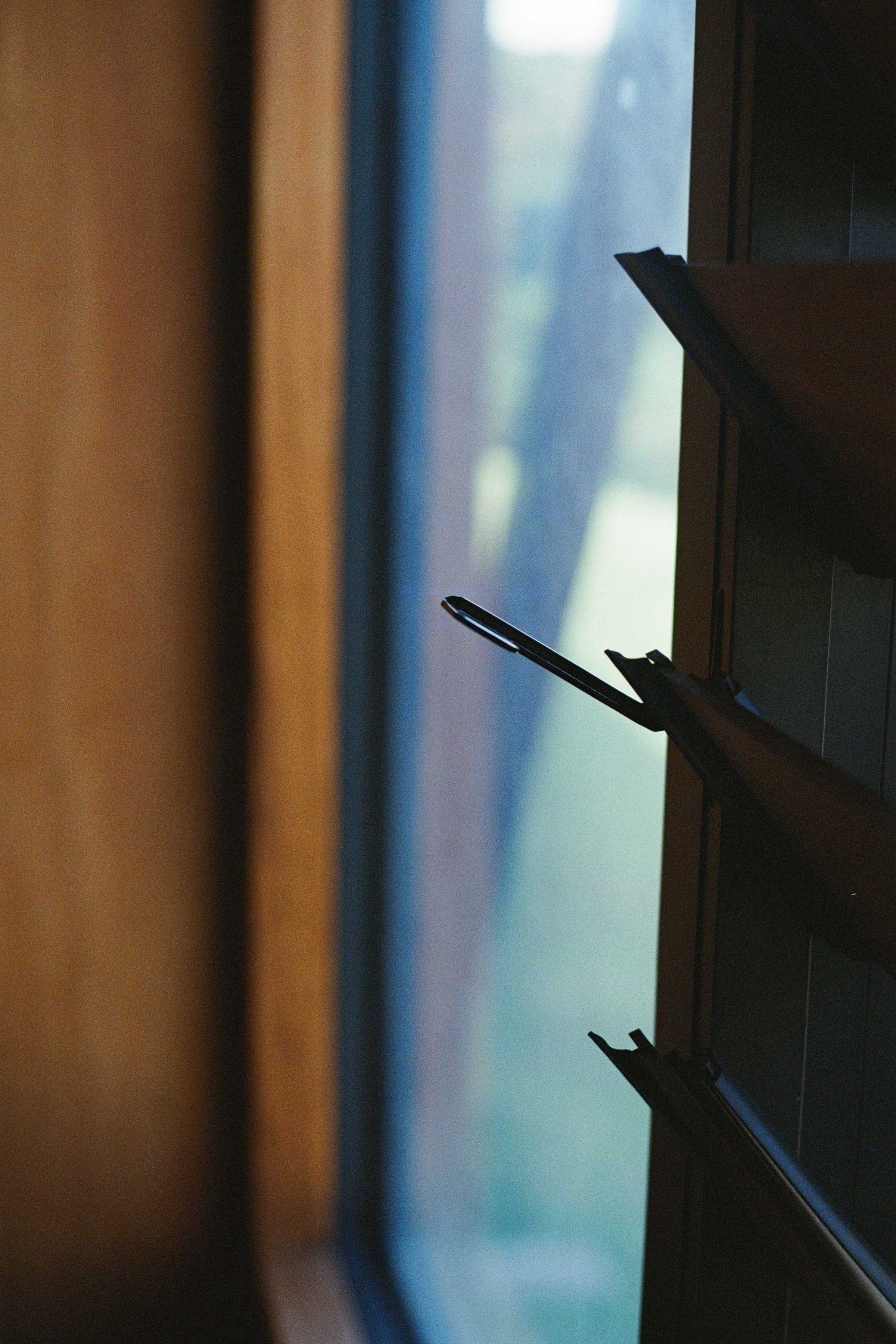
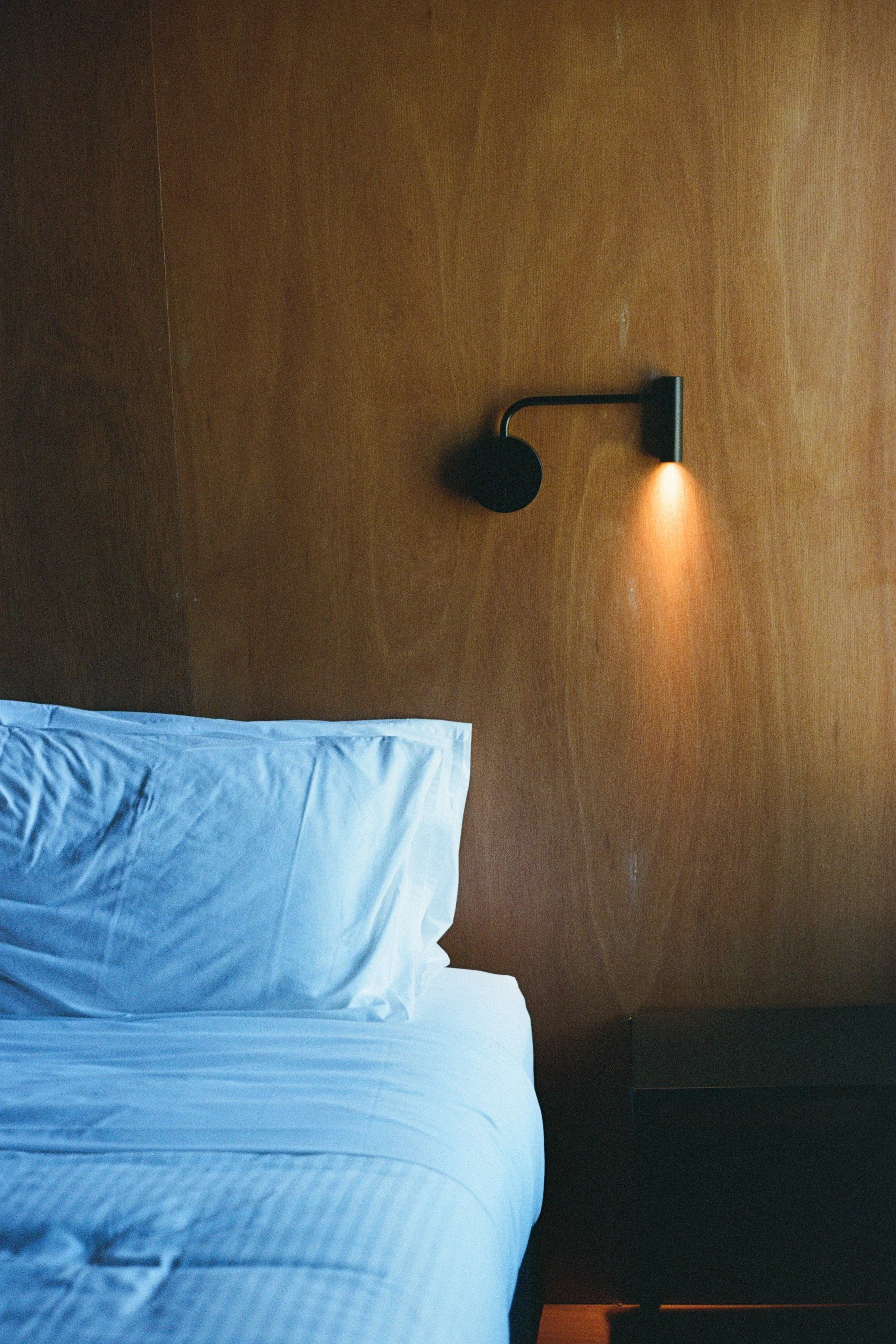
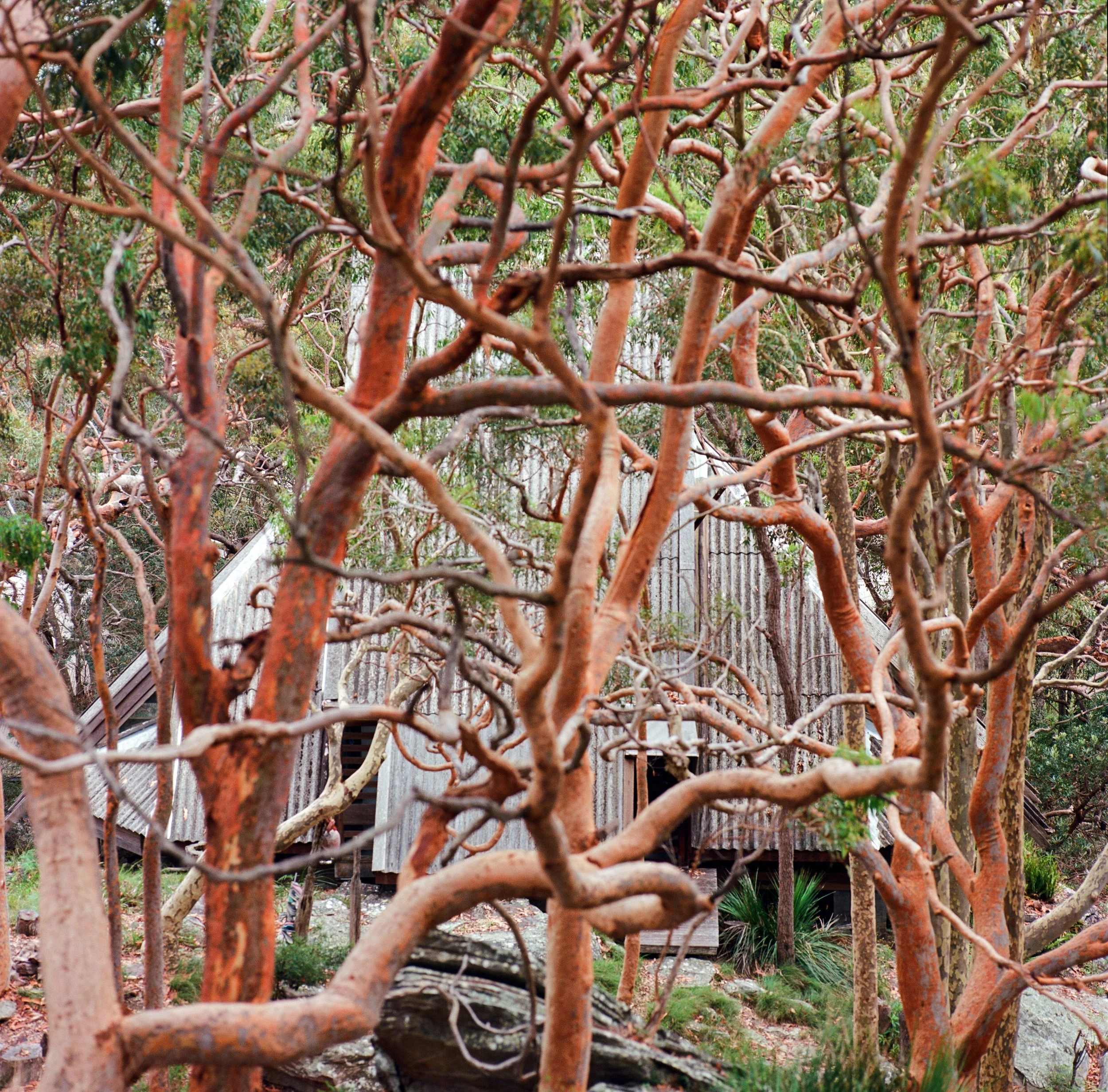
Returning to our room for the evening, I was taken aback by the careful details that had been used throughout our space. The rooms are small but stunning, with big windows framing the view down the valley. The fittings are modest, but all you need for a short stay. The timber window shutters and fly screens are gorgeously engineered to be easily operated with a series of handles, although you’ll want to leave them open the entire stay to let in the calming smell of eucalyptus and the nighttime sounds of the bush.
To stay at Bundanon is a unique experience - halfway between architecture travel and glamping - and presents an opportunity to fall down the rabbit hole and learn why this place captured Arthur Boyd and never let him go. The morning after our stay, we participated in a yoga class inside the art gallery, as well as a bushwalk with a local ecologist, who taught us about the native plants that enveloped the valley. After check-out, we made our way across to the Boyd family’s additional homestead, their final estate just a short drive from the gallery and accommodation. Today, the homestead has been converted into the Arthur Boyd Museum, displaying much of the Trust’s collection of his personal work. It is displayed in the house as if it were still lived in, a nice contrast from the formalities of the gallery. Alongside the homestead, there are cottages for what has become Australia’s largest artist residency program, where artists of many different practices can immerse themselves in the landscape, just as Boyd did.
A highlight of the homestead is Arthur Boyd’s studio, largely untouched after his passing in 1999. He hung a few of his priceless pieces in the rafters next to the skylights that lit his easel, with old Vegemite jars living a second life as paintpots, and a set of battered desktop computer speakers hooked up to a cassette player for his collection of classical music. This was not the clean, polished studio of a performative artist - it was Boyd’s mind in shed form. Boyd probably wishes less of a fuss was made, and perhaps that another artist took on the studio, but I’m thankful it has been kept as a time capsule.
Our time at Bundanon was a reminder of how wonderful it can be to share in an artist’s vision, especially when that vision is one of public education. The interplay between good architecture and its environment can be so enriching, and to be immersed in it for a weekend while learning so much about Australian art is something I would recommend to anyone.
You may also like
-
![]()
How To Buy Your First Vintage Watch
Here are the tips I would give to anyone looking to jump into the exciting world of vintage watches.
-
![]()
The Beachcomber House Is A Modernist Utopia
A house for the price of two family cars? It’s more likely than you think.
-
![]()
An Oasis In The Heart Of The City: The Barbican Conservatory
Tropical Brutalism never looked so magical.
-
![]()
A Visit To The Japanese Temple of Collector Cars
Concorso d’Eleganza Japan has well and truly earned its spot on the global car event calendar.
-
![]()
Time With: Maggie Zhou
“For as long as I can remember, I've always been someone that's enamoured by awe and the small things in life.”
-
![]()
This Lotus Elise Is A Fully-Functional Mobile Coffee Shop
Cars and coffee collide in a new way at Café Elise.
-
![]()
Coveted Object: Omega Constellation Manhattan
While all Omega Constellations are created equally, some are more equal than others.
-
![]()
The Rolex Oyster Perpetual Pistachio could be the perfect everyday watch
This green doesn’t shout, it whispers.
-
![]()
Going Big, Bold and Bright with the Doxa Sub 300T Divingstar
Unapologetic in its purpose, the Doxa Sub 300T brings an authenticity rarely seen from other watches.
-
![]()
A House Amongst The Trees: The Lobster Bay House
A beautiful reminder of the magic that great architecture has.
-
![]()
Coveted Object: Arno Coffee Cups
“If you’re going to have an apple, make sure it’s the crunchiest, juiciest apple you can find.”
-
![]()
Internet Time: When Swatch Invented A New System of Timekeeping
In 1998, Swatch posed a question: what if we all lived on Internet Time?